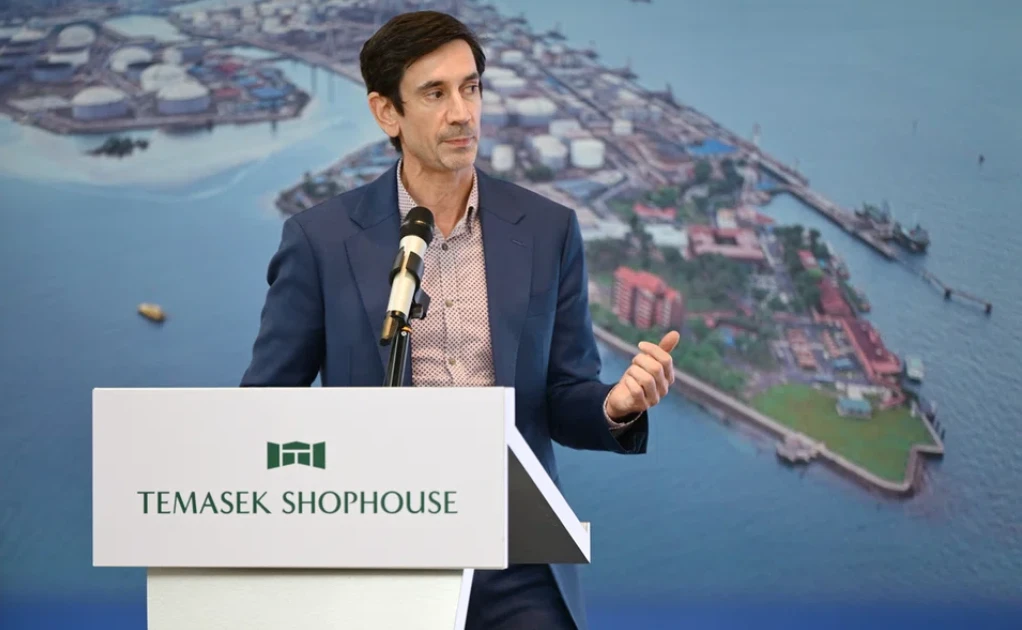
Singapore is advancing its efforts to produce sustainable aviation fuel (SAF) through the development of a dedicated facility on Pulau Bukom island. This project, known as Project Beacon, is a collaboration between climate technology start-up Aether Fuels and Singapore-based Aster. The facility is scheduled to start production in 2028, with an expected output of up to 50 barrels of SAF per day, equating to approximately 2,000 tonnes annually.
The new refinery will be situated at Aster's refining hub on Pulau Bukom, a site previously operated by Shell until its acquisition by Aster in April. The facility aims to use industrial waste gases and biomethane to generate the fuel, which can substantially reduce greenhouse gas emissions—by more than 70%—compared to traditional jet fuels. Key users likely to adopt this greener fuel include Singapore Airlines and JetBlue, the US low-cost carrier.
Sustainable aviation fuel, made from renewable or waste-based resources, offers a vital pathway for decarbonising the aviation industry, which accounts for roughly 2.5% of global carbon emissions. Unlike modifications required for aircraft or the infrastructure of airports, SAF can be blended with conventional jet fuel, making it a practical solution. However, the current cost difference remains significant, as greener fuel is almost four times more expensive than fossil-based alternatives.
In addition to Singapore's plans, Finnish energy firm Neste also refines SAF at a facility in Tuas South, capable of producing up to one million tonnes annually from waste materials like used cooking oils and animal fats. This advancements in SAF technology reflect Singapore's commitment to environmental sustainability and sustainable aviation development.

