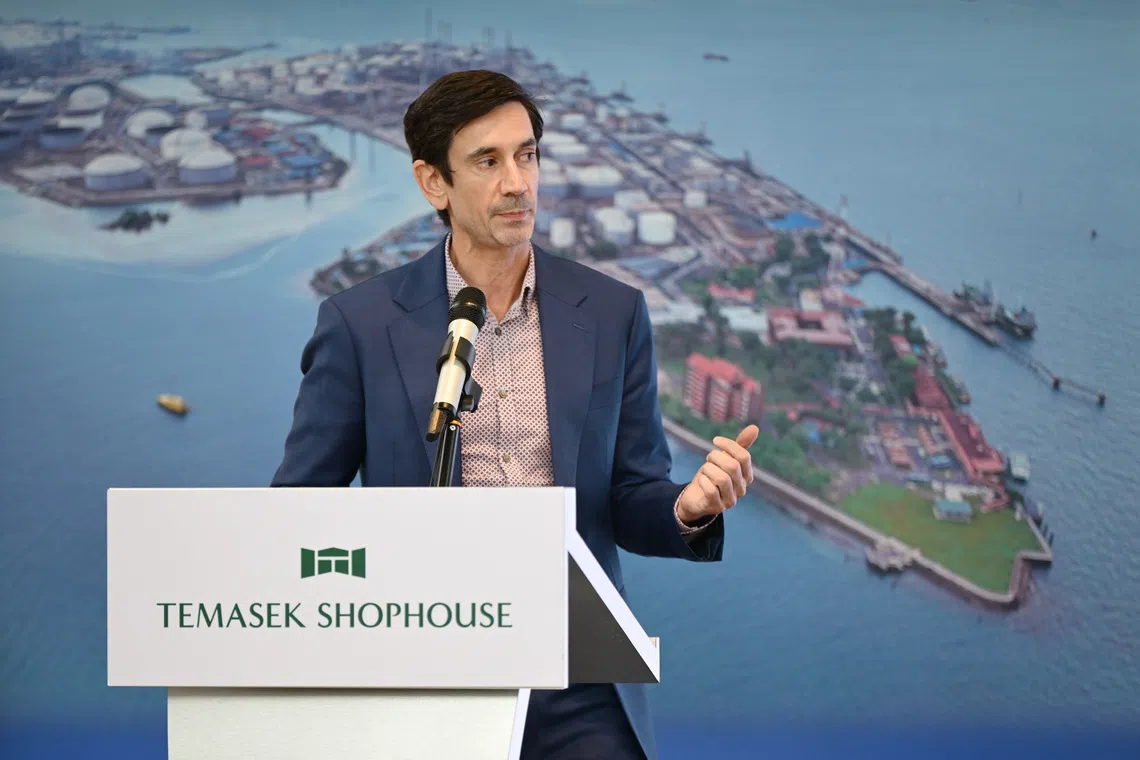
A new facility on Pulau Bukom in Singapore is set to start producing sustainable aviation fuel (SAF) in 2028. Developed through a collaboration between climate technology start-up Aether Fuels and the energy company Aster, the plant aims to supply eco-friendly jet fuel intended to reduce greenhouse emissions from the aviation sector.
The Project Beacon plant will produce approximately 2,000 tonnes of SAF annually using waste gases, with plans for a larger facility capable of producing up to 330,000 tonnes yearly. Construction is scheduled to begin in the latter half of 2026, and the plant will employ 24 staff once operational. The innovative technology used by Aether Fuels is designed to yield more fuel with less capital investment and offers feedstock flexibility, utilizing various raw materials including industrial waste gases and biomethane.
Sustainable aviation fuel is widely recognized as a crucial component in efforts to decarbonize aviation. This particular green fuel can cut greenhouse gases by over 70 per cent compared to traditional jet fuel. However, its higher cost—around US$2,700 to US$2,800 per tonne—remains a barrier to widespread adoption. The company aims to reduce this cost as production scales up while considering external factors such as the costs of hydrogen and renewable energy.
Singapore has set ambitions for integrating SAF into its aviation ecosystem, targeting 1 per cent of jet fuel at Changi and Seletar airports to be sustainable by 2026. The Civil Aviation Authority of Singapore plans to levy a fee on departing flights from October 2026 to fund SAF purchases and meet these targets.
In addition to regulatory measures, Singapore Airlines, in February 2025, signed a memorandum of understanding with Aether Fuels to possibly purchase SAF for five years once commercially available. JetBlue also explored partnership opportunities in September 2024. These agreements reflect the airline industry’s focus on incorporating more sustainable fuels to meet environmental goals and reduce emissions.
Officials see this partnership as part of Singapore's wider transport and energy sector transformation, signifying a proactive move to promote greener manufacturing and energy practices. By developing local SAF production, Singapore aims to position itself as a leader in sustainable aviation and support global decarbonization efforts.

