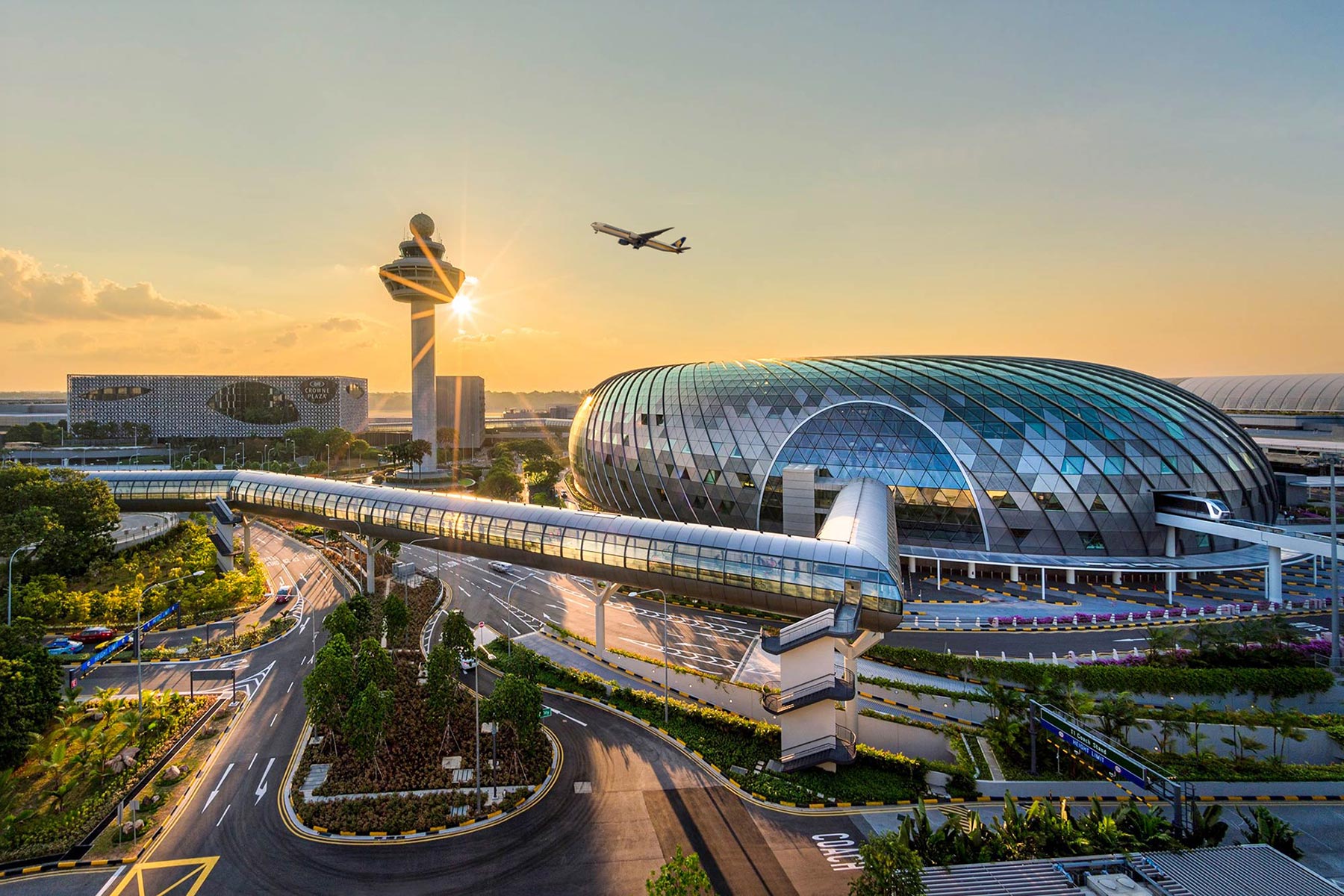
Singapore is set to introduce a Sustainable Aviation Fuel (SAF) levy effective October 2026, which will add S$1 to S$41.60 to each departing flight ticket, including award bookings. This move makes Singapore the first country globally to impose such a charge, aimed at supporting the country's sustainability targets for aviation fuel usage.
The Civil Aviation Authority of Singapore announced the levy rates in November 2025, aligning with ambitions to allocate 1% of jet fuel as SAF by 2026, increasing to 3-5% by 2030. These charges will vary depending on the destination and cabin class, with premium cabins facing a multiplier of four times the economy rate.
Impact on Flights and Award Redemptions
For regular passengers and award travelers alike, the levy will increase the total cost of flying from Singapore, especially on long-haul routes. Airport taxes are also set to rise from S$65.20 to S$79.20 per passenger between 2027 and 2030, further adding to the combined cost burden.
"The introduction of the sustainable aviation fuel levy marks a major step forward in Singapore’s effort to build a more sustainable and competitive air hub," said Han Kok Juan, Director-General of CAAS.
Transit passengers will be exempt from paying the SAF levy, which makes up about a third of Singapore Airlines’ passengers. However, this exemption raises concerns about subsidization and maintaining competitiveness against Gulf carriers and others.
Travelers can avoid the levy by buying tickets before April 2026, but this window is limited given typical airline booking schedules. Routing strategies often do not help lower costs significantly, due to transit taxes and additional surcharges on stopover flights, though specific routes like Singapore-Tokyo-Los Angeles via Narita may offer some savings.
Private jets and cargo shipments are also subject to levies, intended to fund SAF procurement and environmental initiatives. Industry groups, including IATA, have expressed concerns about potential negative effects on air travel growth, though Singapore Airlines has publicly supported the initiative.
As airport fees increase over the coming years, total taxes on long-haul premium class tickets will become more substantial, reaching nearly S$145 by 2030 for some routes. Overall, the new SAF levy complicates the costs associated with flying from Singapore, especially impacting long-haul awards and premium cabins.
Travelers and frequent flyers should plan accordingly, considering booking strategies and route options to mitigate these rising costs, which are set to shape the future of air travel in Singapore and beyond.

