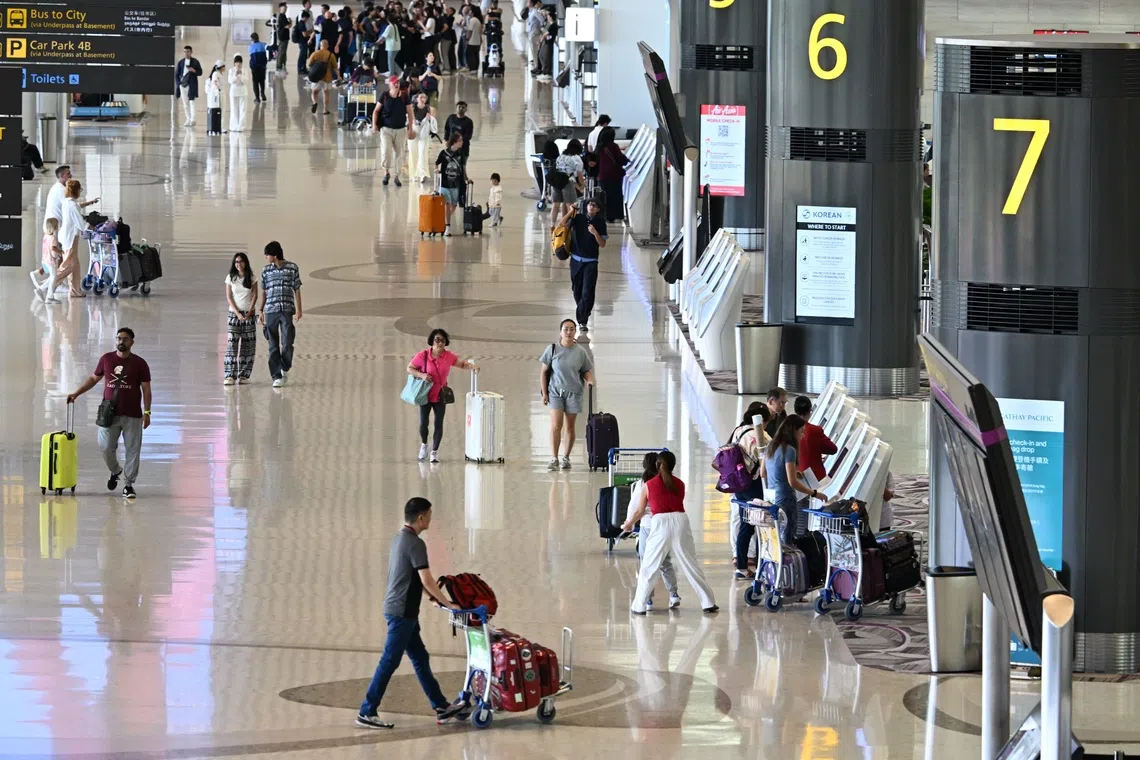
Singapore's government has announced a new levy on air tickets departing from Changi Airport starting October 2026. The fee, which varies from $1 to $41.60 depending on class and distance, aims to promote the use of sustainable aviation fuel (SAF) among airlines and travelers. Tickets sold from April 1, 2026, will be subject to the levy, with the costs distributed based on travel class and destination.
The initiative is part of Singapore's broader efforts to reduce the aviation sector’s carbon footprint by increasing the adoption of greener jet fuel. Singapore Airlines expressed support for the measure, emphasizing its role in transitioning to more environmentally friendly operations. The levy is also designed to give airlines and logistics companies ample time to adapt their supply chains and operational plans to the new environmental goals.
Passenger reactions among frequent flyers and the general public vary. Some see the levy as a minimal additional expense that aligns with future environmental sustainability, while others worry about the cumulative impact of rising travel costs. For instance, real estate agent Elaine Kong, based in Sydney but traveling frequently through Singapore, noted surprise at the timing during economic instability but acknowledged the importance of sustainable practices.
“While I believe adopting sustainable aviation fuel is important for the environment, I also want to consider the costs involved,”
she said. Industry-wide support, including backing from IATA, centers on the phased roll-out's ability to allow time for adaptation. The levy will also apply to cargo shipments, calculated per kilogram and based on the distance traveled, further encouraging sustainable freight operations.
Several logistics companies such as DHL and FedEx are evaluating how the new charges will impact their operations. Overall, the policy represents a significant move by Singapore to lead regional efforts toward environmentally sustainable air travel, despite mixed sentiments from travelers about the immediate financial impact.

