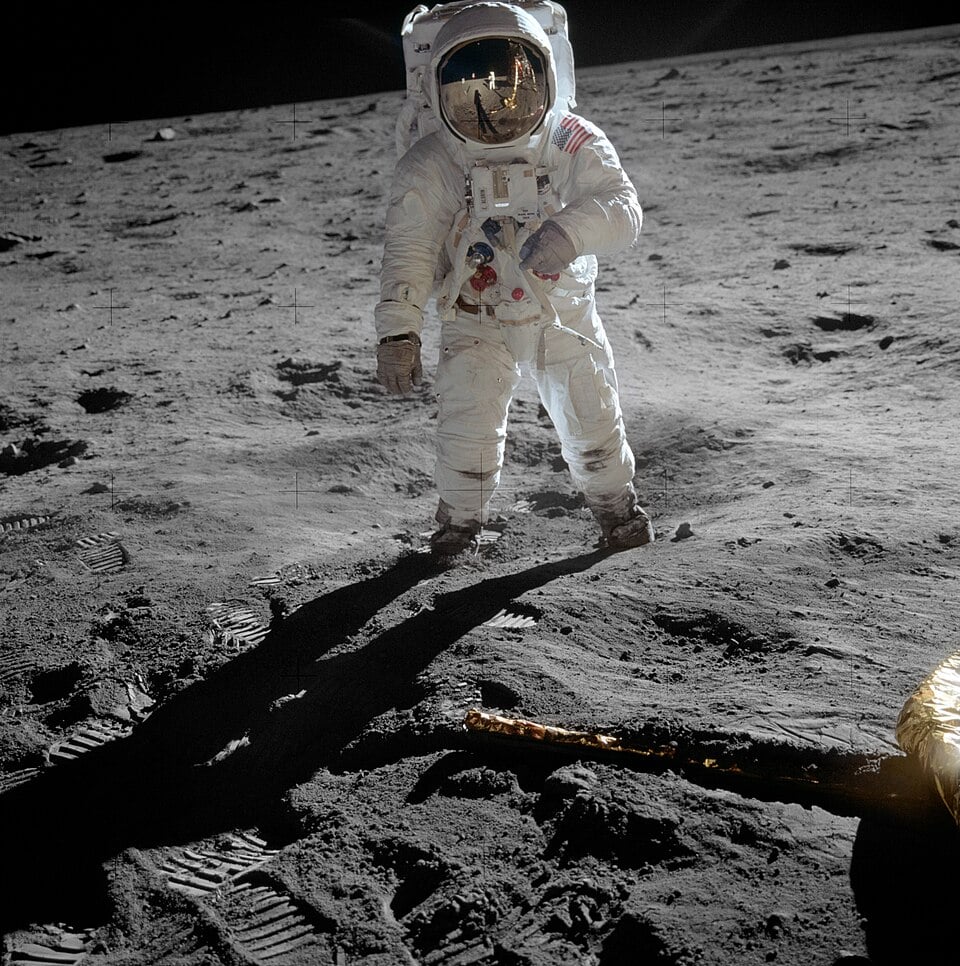
The historic Apollo 11 mission marked a monumental achievement in human space exploration, with Neil Armstrong becoming the first person to set foot on the Moon on July 20, 1969. His famous words, broadcast live to nearly 600 million viewers worldwide, symbolized the culmination of a decade-long effort driven by political will and extraordinary engineering innovation. The United States' response to President Kennedy’s bold pledge in 1961 resulted in a program that employed 400,000 individuals and cost approximately $25 billion, or about $175 billion today.
Overcoming unprecedented technical challenges, the Apollo project perfected spacecraft docking, star navigation at vast distances, engine re-start capabilities in a vacuum, and heat shield design for reentry speeds of up to 25,000 miles per hour. The lunar module Eagle, after a tense descent that nearly ended in abort, successfully landed in the Sea of Tranquillity with only seconds of fuel remaining. Armstrong and Buzz Aldrin spent over two hours collecting lunar samples, planting a flag, and leaving behind a plaque proclaiming peace among mankind.
The achievement marked the end of human lunar exploration, with the last lunar walk taking place during Apollo 17 in 1972. The space race had motivated extraordinary advancements in aerospace technology, exemplified by the powerful Saturn V rocket and the rudimentary guidance systems of the era. The journey from Abbas ibn Firnas's early attempts at flight to Neil Armstrong's lunar step took just over a millennium, illustrating humanity's relentless pursuit of reaching beyond the skies.
Today, the legacy of Apollo continues to inspire future exploration, with space agencies and private companies aiming to return humans to the Moon and beyond. The technological innovations and international cooperation sparked by these missions remain central to ongoing efforts to explore and understand our universe.

