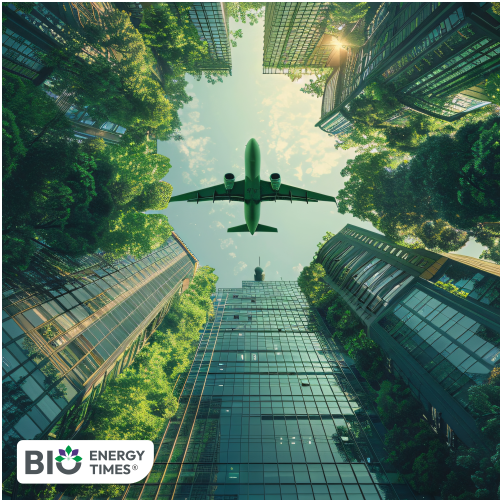
Korea has announced a strategic plan to significantly reduce the carbon footprint of its international airports. The government aims to cut emissions by 10% by the year 2030, amidst rising concerns over aviation’s environmental impact. The initiative expects to achieve this through expanded use of sustainable aviation fuel, reducing aircraft standby times, and enhancing operational efficiency.
The comprehensive plan, developed collaboratively by the transport, environment, and industry ministries, projects that emissions from international airports could reach nearly 29.8 million tonnes by 2030, representing a 28% increase from current levels. To counter this trend, airlines departing from Korea will be mandated to use sustainable aviation fuel for at least 1% of their total fuel consumption, with this requirement set to increase between 3% and 5% after 2030.
Cost and Implementation Challenges
The report highlights financial challenges, as sustainable aviation fuel still costs about three times more than conventional jet fuel. To support airlines, the government plans to introduce partial financial aid to offset the higher costs associated with adopting greener fuel sources. These measures are part of Korea’s broader effort to promote sustainable growth in the aviation sector while meeting environmental commitments.
This ambitious plan illustrates Korea’s commitment to environmental sustainability and its efforts to position its airports as leaders in clean aviation practices. The success of these measures will depend on effective policy implementation and technological advancements in sustainable aviation fuel production and airport operations.

