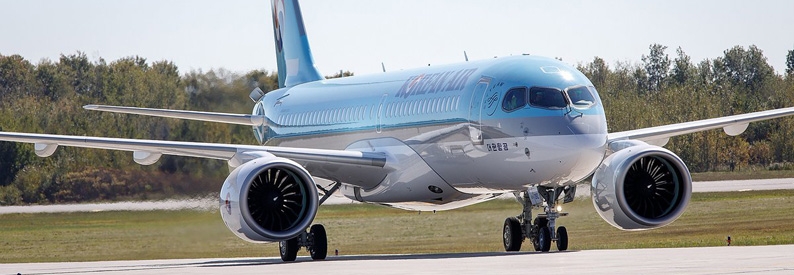
South Korea's new airline, SUM Air, has commenced its commercial operations, marking a significant development in the Korean civil aviation sector. The entrance of SUM Air indicates ongoing activity and competition among South Korean airlines, which are adjusting to changes in regulatory and market conditions.
This new entry into the domestic market comes amid a complex environment where established airlines such as Jin Air, Air Busan, and Eastar Jet are also actively engaged in fleet adjustments, route changes, and financial stabilization efforts. The industry has seen a series of safety fines, mergers, and route realignments in recent months, illustrating a dynamic and evolving landscape.
Industry experts note that the expansion of SUM Air may impact regional connectivity and fare competitiveness. As South Korea's aviation market continues to grow, authorities and airlines are closely monitoring safety standards and financial stability, given the past incidents involving safety fines and mergers. The launch of SUM Air underscores the resilience and growth potential of South Korea’s aviation sector, despite challenges.
Looking ahead, the airline's future growth will depend on regulatory support and market response, with expectations of further route launches and fleet expansion. The sector remains competitive, with multiple airlines striving to capture new market segments and enhance operational efficiency, positioning South Korea as a key hub in East Asian civil aviation. Partial content – full story not available.

