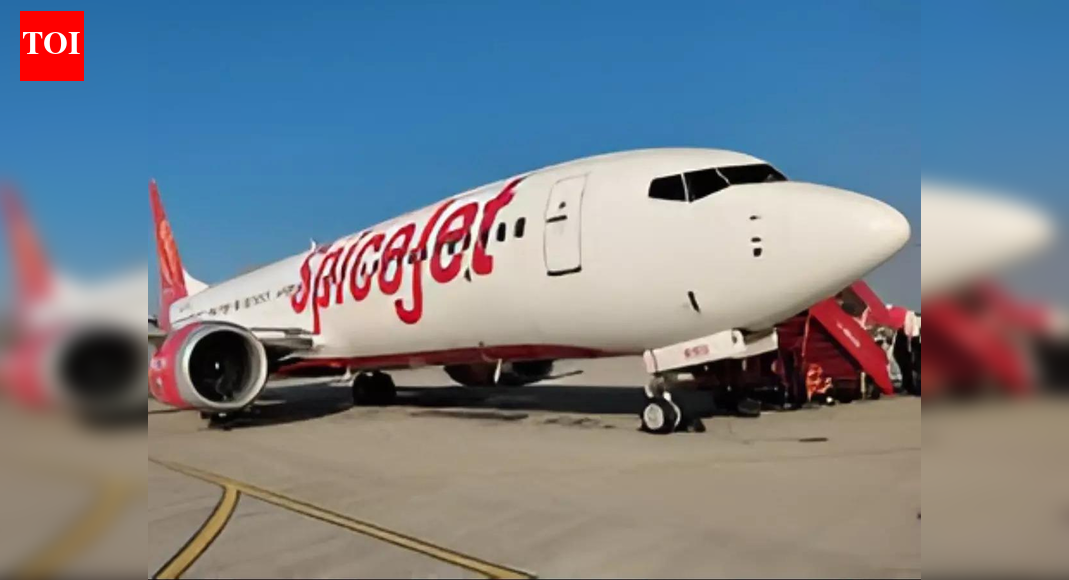
In response to ongoing disruptions in India’s aviation sector, SpiceJet has announced plans to boost its winter operations by adding up to 100 flights daily. This initiative aims to address the surge in demand following widespread cancellations by IndiGo, which was heavily impacted by a pilot shortage resulting in over 5,000 canceled flights. The airline has also mobilized part of its fleet, bringing seventeen aircraft back into service through a mix of damp leases and ground restorations.
SpiceJet’s strategic focus is on increasing aircraft utilization and strengthening network resilience. The move is expected to improve connectivity on high-demand routes, providing travelers with more options during the busy winter travel period. Investor confidence appears to be bolstered by this expansion, as the airline’s stock rose sharply, reflecting optimism about its growth prospects amidst a challenging industry environment.
Industry Context
The crisis at IndiGo, which commands a substantial share of India’s domestic market, has resulted in significantly reduced on-time performance and mass cancellations at key hubs including Delhi, Mumbai, Bengaluru, and Hyderabad. The Directorate General of Civil Aviation (DGCA) has responded by reducing IndiGo’s scheduled departures, creating room for competitors like SpiceJet to gain market share.
Experts see this as an opportunity for a potential rebalancing within the industry, with SpiceJet’s accelerated expansion possibly shifting competitive dynamics. The coming months will reveal how these capacity adjustments impact overall service quality and market share, as regulators continue to oversee capacity management and operational stability.

