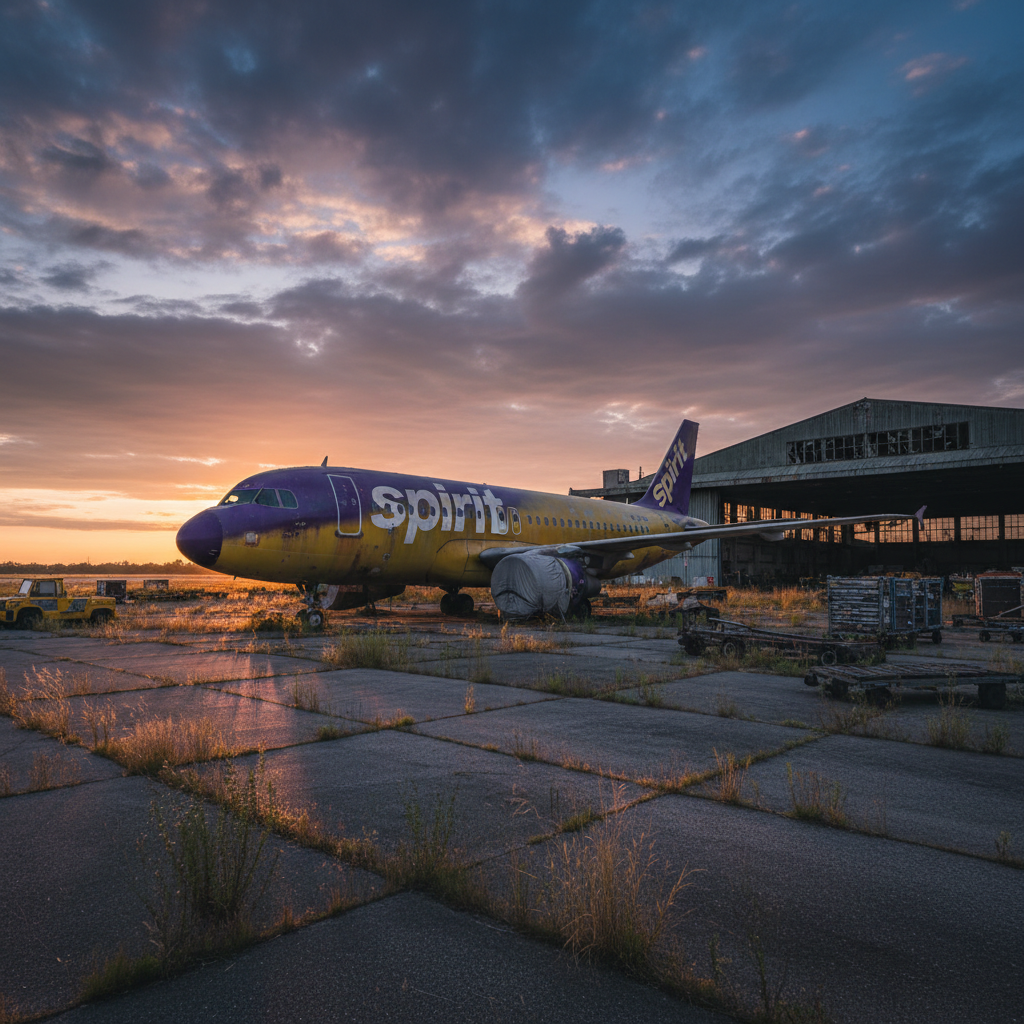
Spirit Airlines, a South Florida-based ultra-low-cost carrier, has filed motions with a bankruptcy court to reject remaining aircraft leases and sell or abandon assets, in preparation for an orderly wind-down of operations. The airline ceased operations on May 2, 2026, citing unprecedented fuel costs driven by geopolitical tensions and fuel price spikes following military strikes in Iran. These increased costs, amounting to nearly $100 million between March and April, hampered Spirit’s liquidity as it navigated financial difficulties.
In an effort to maximize proceeds from its remaining assets, Spirit plans to encourage bids for its owned aircraft and engines and seeks court approval to abandon properties that cannot be sold. The airline’s fleet includes 114 Airbus A320 family aircraft, with 66 leased from various lessors such as AerCap, ALC, Carlyle, DAE, ELFC, Fuyo, ICBC Leasing, Merx, ORIX, Sirius, Sky Leasing, SMBC Aviation Capital, ST Engineering, and Stratos. The airline has announced a sale of 20 aircraft to CSDS Asset Management, which it intends to honor.
Throughout its restructuring efforts, Spirit has encountered challenges such as failed merger negotiations with JetBlue Airways, and difficulties securing government bailout support. Despite multiple attempts at reorganization and reaching agreements with bondholders, the airline concluded that additional liquidity would not be available, necessitating a formal wind-down process. Throughout the process, Spirit has expressed gratitude to its partners, labor unions, and financial stakeholders, emphasizing that the fleet’s size and complexity require careful procedures to conclude operations safely and efficiently.
Spirit's bankruptcy journey reflects the broader struggles faced by many airlines post-pandemic, including rising costs and changing consumer preferences. The airline aims to exit Chapter 11 by early summer, following a series of legal and financial procedures to settle obligations and maximize asset value.

