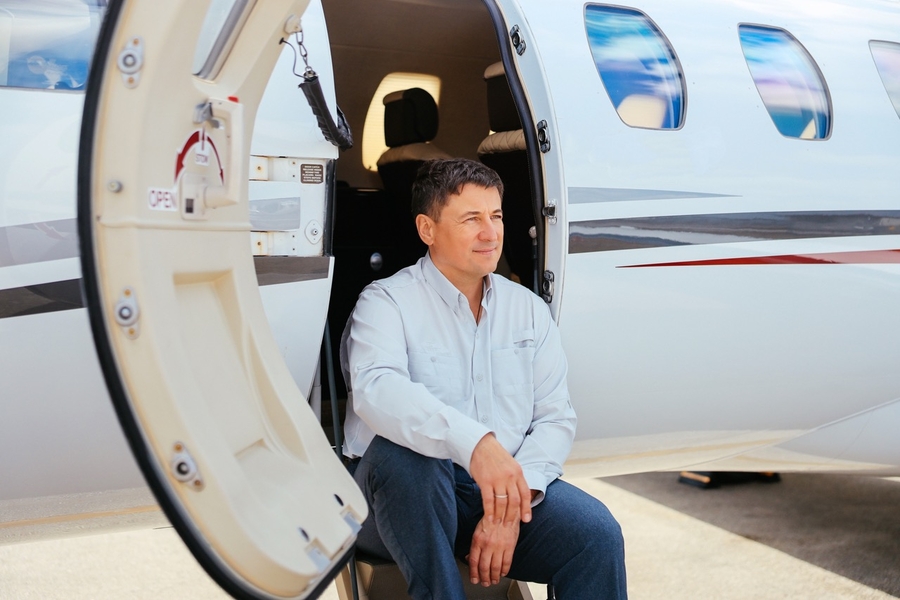
Modern aviation safety is built on a comprehensive and structured system of regulations, training, and ongoing evaluation, emphasizing the importance of demonstrated competence at every stage. Under FAA regulations such as 14 CFR Part 61, pilots progress through a systematic pathway, with each certification milestone requiring the completion of specific training standards and assessments.
Dmitriy Pingasov exemplifies how engagement with these rigorous standards develops both technical expertise and a disciplined professional mindset. His journey includes obtaining multiple ratings across fixed-wing and helicopter aircraft, as well as a Certified Flight Instructor certificate. Notably, he completed an Airbus A320 type rating — a demanding certification achieved on his first attempt, underscoring the importance of structured training and comprehensive preparation.
FAA's Airman Certification Standards (ACS) and Practical Test Standards (PTS) serve as measurable benchmarks to ensure pilots can safely manage routine and high-risk scenarios. The FAA's verification approach reinforces a safety culture where discipline and verification replace reliance solely on experience. This model promotes a higher level of operational discipline and safety in the aviation industry.
Such a system underscores that aviation safety relies on continuous training beyond minimum regulatory requirements. Engaged pilots exemplify this principle, fostering safety and professionalism in the broader industry.
Contact details, including individual and organizational information, are provided for further communication.

