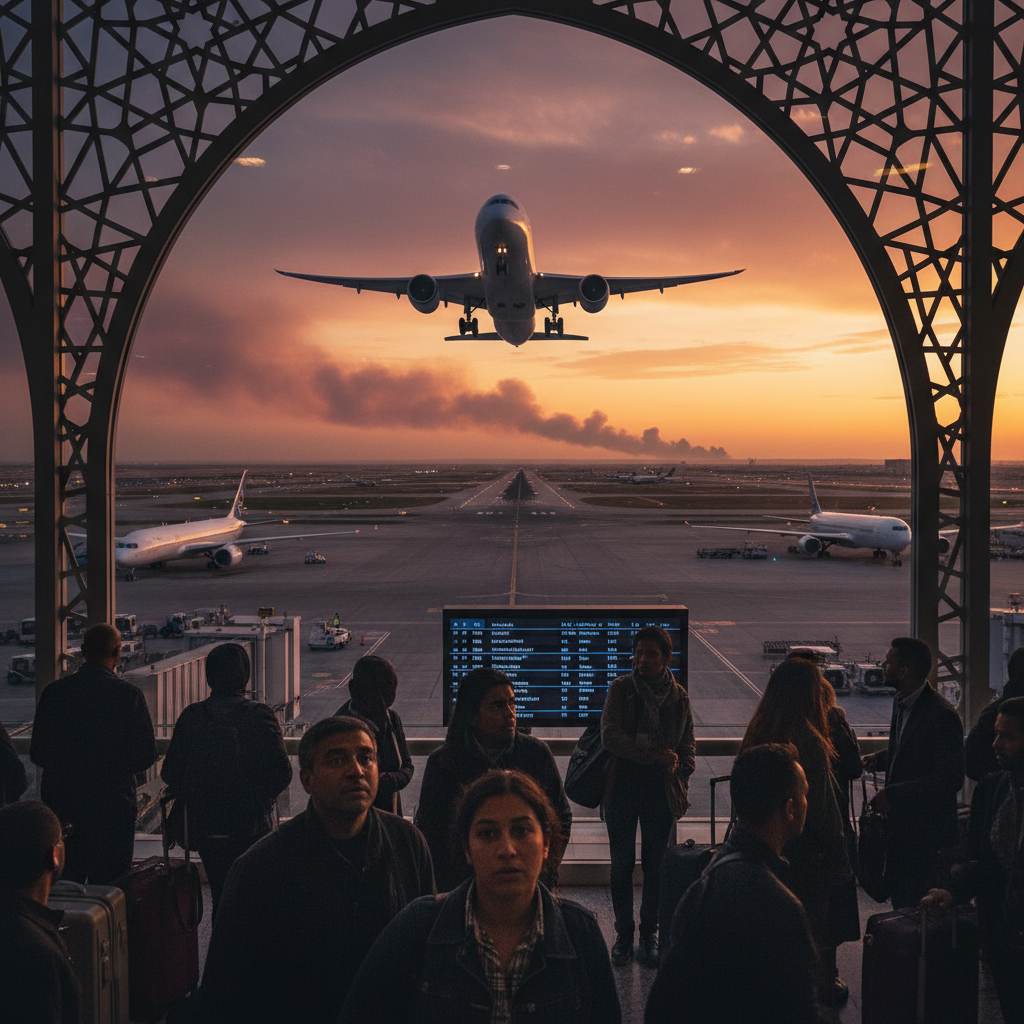
The ongoing conflicts in the Middle East are projected to have a profound and lasting influence on the global aviation industry, extending through the year 2030. This projection is based on a comprehensive analysis conducted by Bain & Co. The report indicates that, although regional turmoil may suppress some travel volumes and lead to fare increases, the overall demand for air travel is expected to stay resilient.
Airlines operating within the Middle East are likely to encounter significant disruptions related to fleet losses and route stability, impacting their operational capacity. For instance, Gulf Air's operations at Bahrain International Airport serve as a regional case point. Despite such challenges, the overall outlook suggests that passenger demand driven by economic activities and leisure needs will continue to grow worldwide.
Industry Implications and Strategic Needs
The study emphasizes that airlines, including Middle East carriers, will need to adopt strategic resilience to navigate these long-term geopolitical risks. The enduring demand for air travel is supported by economic growth and business expansion globally, even amidst conflict zones. Airlines that effectively plan for these structural shifts will be better positioned to sustain their operations and profitability into the future.
Ultimately, the analysis underscores a complex but optimistic scenario for the aviation sector, highlighting the importance of flexibility and strategic foresight in confronting geopolitical and economic uncertainties.

