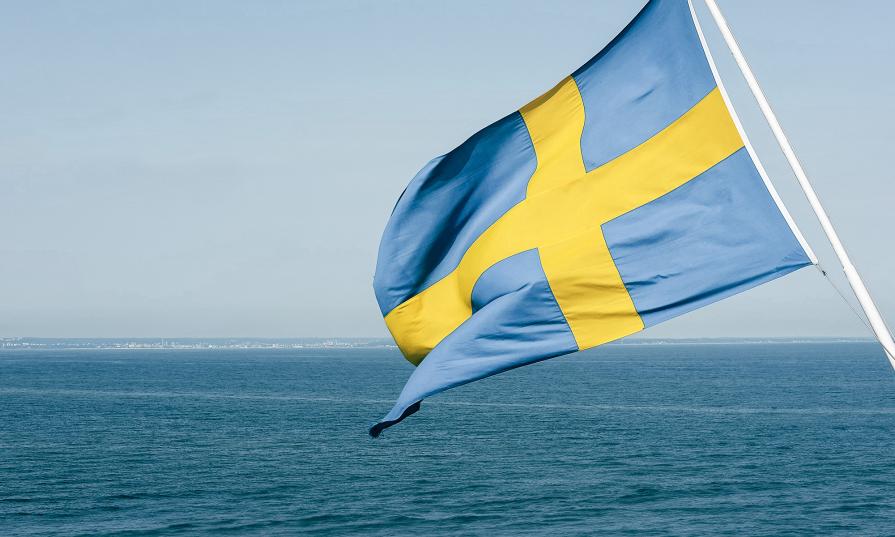
Sweden is actively developing a national plan to bridge the looming gap in sustainable fuel supply for aviation and maritime transportation. A government inquiry highlights that Europe's current capacity may fall short of mandates from the 2030s onwards, risking increased reliance on imports and exposure to price fluctuations and geopolitical risks. The plan advocates for green credit guarantees, public risk-sharing tools, and support mechanisms to unlock investments in sustainable aviation fuels (SAF) and sustainable maritime fuels (SMF).
The report emphasizes Sweden's potential to leverage its renewable energy resources, biomass, and biogenic CO₂ to serve as a key Nordic hub for fuel production. Notably, in 2024, Sweden's sustainable aviation fuel accounted for over 5% of the fuel delivered at its airports, a figure significantly higher than the EU average, attributable to early blending mandates and voluntary industry initiatives.
Financial Support and Policy Stability
One of the report's central concerns is financing. Producers require long-term offtake agreements, which are difficult due to uncertain fuel prices. To address this, the inquiry proposes production-based support and participation in a pilot auction under the European Commission’s e-SAF coalition, potentially attracting multi-billion euro investments.
The report also calls for reinstating green credit guarantees and establishing a stakeholder forum that includes producers, feedstock suppliers, and public authorities to foster collaboration. A key message is the importance of policy stability; future EU regulation reviews, such as the EU ETS and ReFuelEU, should maintain ambitious targets to ensure investor confidence.
"Europe’s sustainable fuel market will not scale on mandates alone. It requires bankable projects, credible buyers, and stable regulation,"
Sweden aims to position itself as a major producer, boosting energy security and building export capacity across Europe. The results could support the country’s goal of becoming a leading player in the decarbonization of aviation and maritime sectors.

