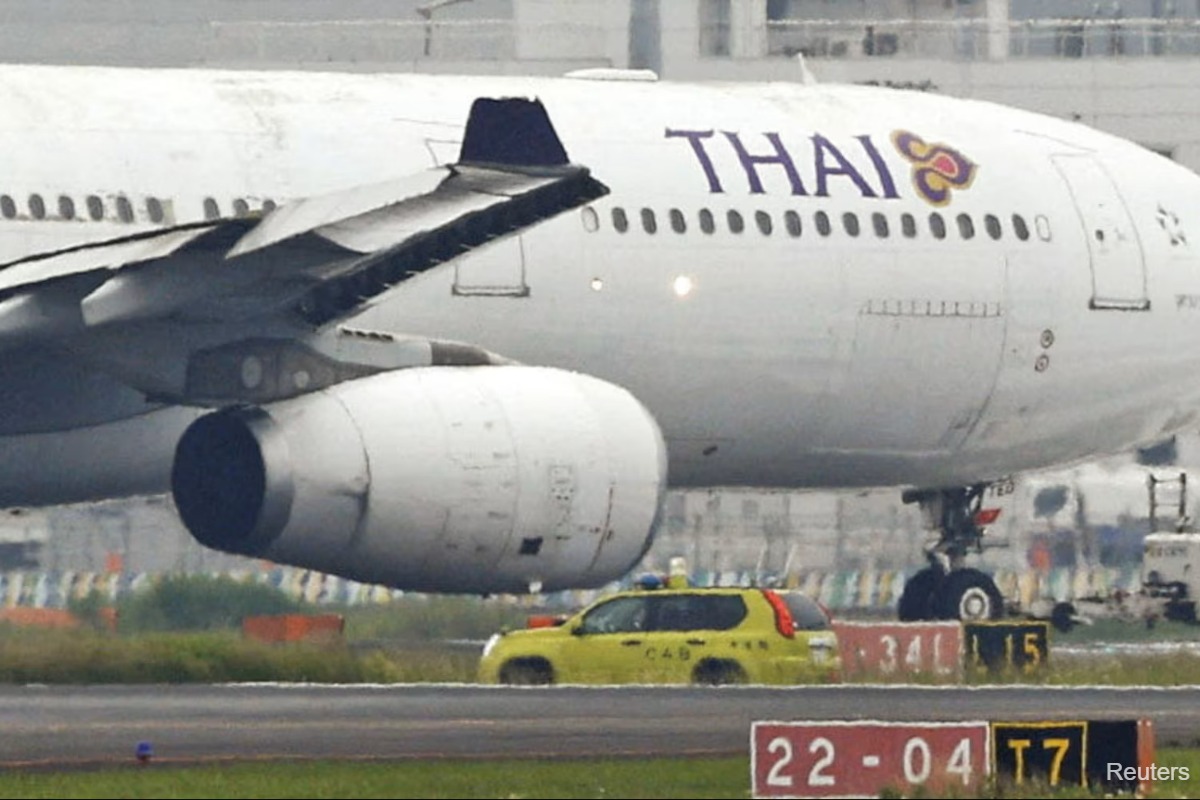
Thai Airways International, Thailand's flagship airline, has made a notable recovery four years after filing for bankruptcy in 2020. CEO Chai Eamsiri attributes this success to the airline's newfound independence from government interference, which allowed strategic restructuring that improved profitability.
Following its bankruptcy, Thai Airways reduced government shareholding, shedding its status as a state enterprise, and was bought by a fund managed by Krung Thai Bank. Since then, the airline has operated more efficiently, reporting a net profit of over 12 billion baht in the second quarter of 2025 and being re-listed on the stock exchange in August of that year.
Chai emphasized the airline’s focus on cost control while leveraging Thailand’s large domestic market of 77 million as its base. The airline also aims to increase revenue through connecting passengers via hub operations, combining both low-cost and full-service airline characteristics. With a fleet of 78 aircraft as of mid-2025, plans are underway to add 14 narrow-body planes by 2027 to support its growth ambitions.
Chai, who previously served as CFO, highlighted the importance of swift implementation of the expansion plans. The airline’s strategic efforts have positioned Thai Airways for sustained growth and profitability, reflecting a turnaround driven by strategic independence and operational efficiency.

