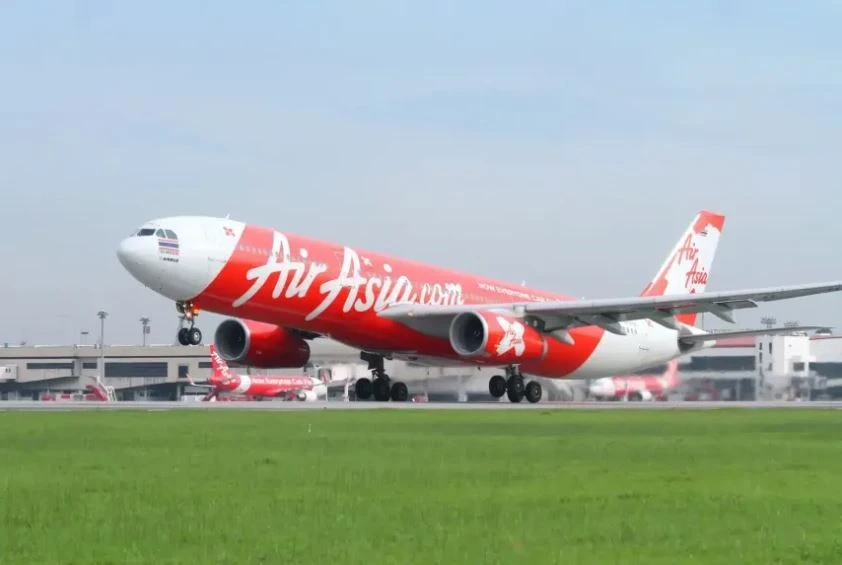
Thailand is actively pursuing strategic development plans to elevate its status as a regional aviation center, particularly as ongoing conflicts in the Middle East continue to disrupt global flight routes. According to caretaker Minister of Transport Phiphat Ratchakitprakarn, the disruption has created an opportunity for Thailand to position itself as a safe transit point for international travelers seeking alternative routes.
Many flights operated by Middle Eastern airlines have been cancelled or delayed, prompting travelers to book long-haul flights to Thailand. The national airline, Thai Airways International, reports full bookings on routes to Europe. These developments have accelerated Thailand’s efforts to expand its airport capacity and manage flight slots to accommodate increased transit traffic.
Infrastructure and Regional Opportunities
Thailand’s private and public sectors recognize that achieving full hub status will require significant infrastructural improvement. The expansion of Suvarnabhumi Airport, with the goal of increasing capacity from 65 million to 120 million passengers annually, is scheduled to begin this year. Nonetheless, major projects such as the high-speed railway connecting three airports—delayed for six years—are crucial to fully establish Thailand’s regional connectivity.
“Transforming Thailand into a regional aviation hub will take time,” said Phiphat, highlighting the importance of comprehensive infrastructure development and long-term commitment to competitiveness.
Despite geographical disadvantages—compared to Middle Eastern hubs within a six-hour flight radius—Thailand’s most viable role may be serving as an aviation hub for Southeast Asia’s more than 680 million people. Industry analysts emphasize that infrastructure upgrades and strategic planning are vital to fulfilling this potential.

