Thailand's legal system has recently made a significant ruling regarding the operation of foreign pilots on domestic flights. The Supreme Administrative Court dismissed an interim relief request from the Thai Pilots Association to halt the earlier authorization that permits foreign pilots to operate domestic routes under temporary wet-lease agreements. The court's decision means that the authorization remains in effect, supporting airlines' ongoing wet-lease arrangements amid pilot staffing challenges.
The case originated from concerns over potential disruptions to flight operations and passenger services if the permits were revoked. The TPA, led by President Teerawat Angkasakulkiat, argued that the suspension could destabilize the aviation sector and impact employment for Thai pilots. Currently, 38 foreign pilots have been issued temporary work permits under the measure, which was introduced by the previous government to address a shortage of local pilots.
Although the injunction was denied, the broader legal effort by the TPA to revoke the authorization outright remains pending before the courts. The dispute reflects ongoing tensions between labor associations and regulatory authorities as airlines continue to rely on foreign crew to maintain operational capacity during a period of aircraft delivery delays, notably from Boeing.
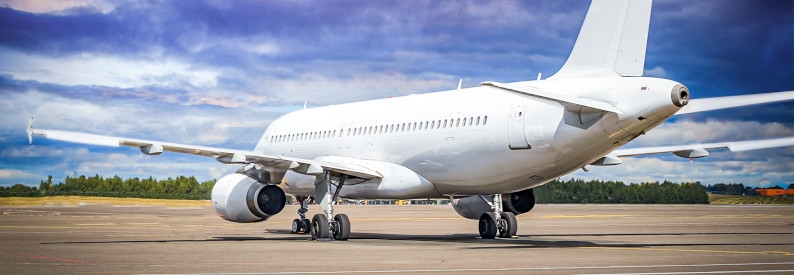
The controversy has arisen in the context of recent use of Airbus A320-200 aircraft from Avion Express by Thai VietJetAir on domestic routes during the winter season of 2024/25. The measure was supported by a cabinet waiver citing pilot shortages, a stance contested by the TPA, which insists qualified Thai pilots remain available for employment. The future of foreign pilots' participation in Thailand's domestic aviation sector hinges on the ongoing legal proceedings and regulatory decisions.

