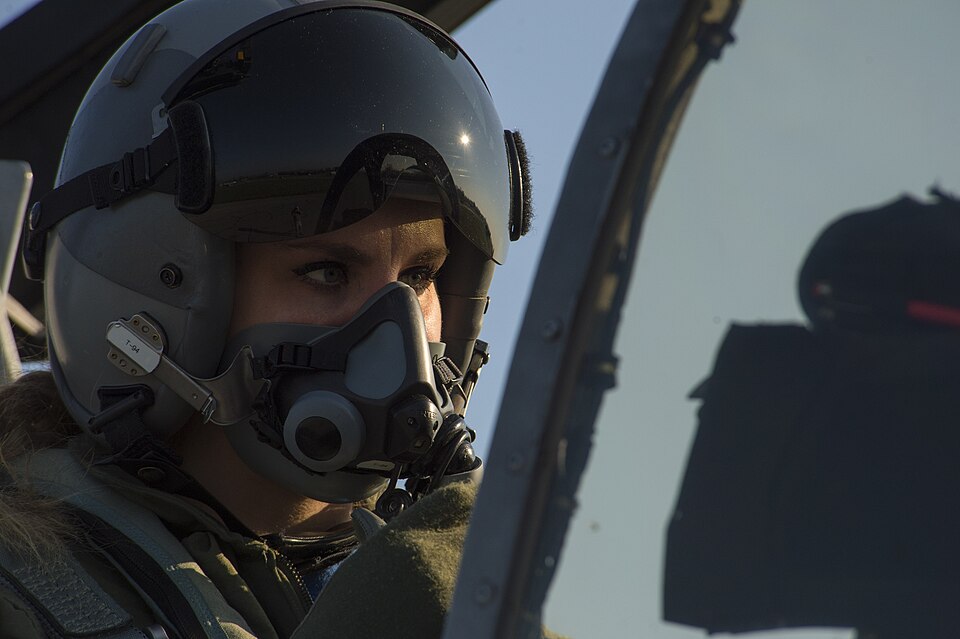
Major Sarah Chen's career trajectory exemplifies the growing challenge faced by military aviation in retaining experienced pilots. Having flown the F-16 fighter jet for over a decade, Chen departed the military to fly for a commercial airline, where she now earns significantly more and enjoys a more stable lifestyle. Her case reflects a broader trend within the U.S. armed forces, where highly skilled pilots are choosing to leave service prematurely due to factors beyond remuneration alone.
The crisis is rooted in a combination of financial, lifestyle, and administrative issues. Military training costs of around $11 million per pilot and the demanding nature of military service, including frequent relocations, deployments, and administrative duties, contribute to high attrition rates. Meanwhile, commercial airlines offer more predictable schedules, higher compensation, and better work-life balance, which appeal strongly to experienced pilots.
Officials recognize that addressing these issues requires systemic reforms. While retention bonuses provide some relief, comprehensive solutions such as streamlining administrative processes and improving support for military families are necessary. Until these disparities are addressed, the military risks losing its most valuable aviators just as they reach peak operational readiness, thus impacting national defense capabilities.

