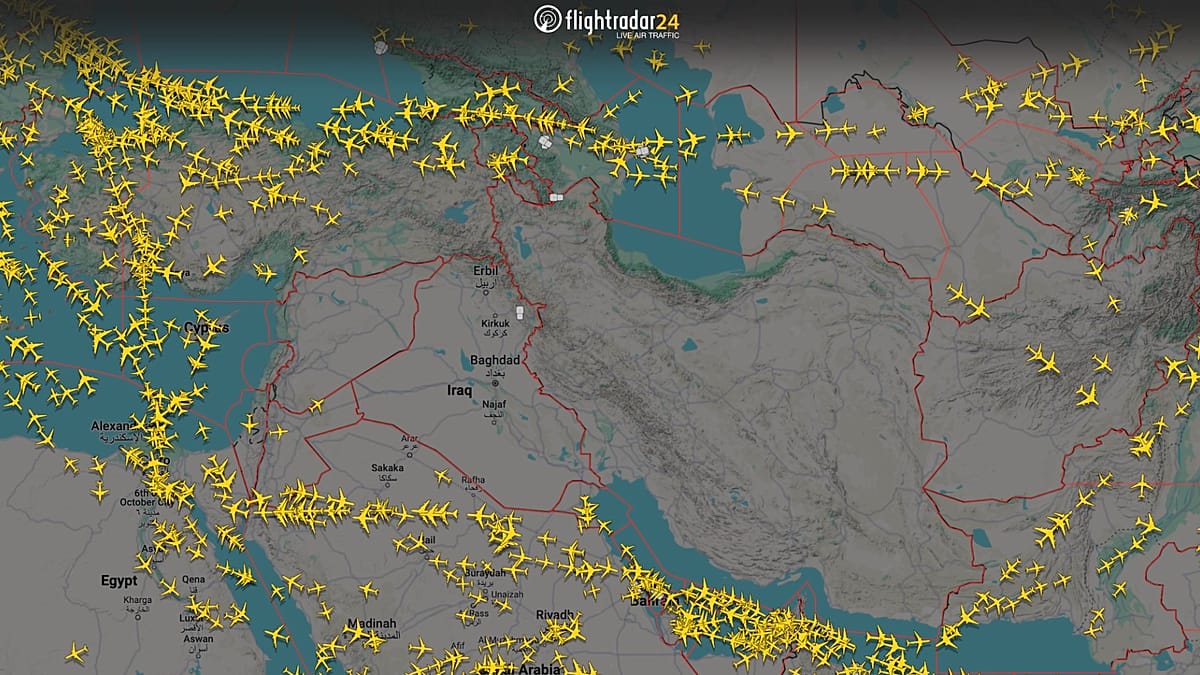
In recent years, Flightradar24 has become an essential tool for both the public and aviation professionals to monitor aircraft in real time. The platform’s infrastructure relies on tens of thousands of receivers around the globe, many operated by volunteers, that capture ADS-B signals broadcast by aircraft. Satellite data supplements the system, ensuring coverage over vast oceans and remote regions.
Founded by Mikael Robertsson and Olov Lindberg in Sweden, the service originated out of curiosity, when they installed antennas on a Stockholm rooftop and discovered a rapidly growing interest in tracking flights. Its importance was evident during recent military conflicts in the Middle East, where airspace restrictions led to rerouted flights and a surge in website traffic—quadrupling to 20 million visits in a day—highlighting its role in crisis management.
Airlines and pilots widely utilize Flightradar24 for situational awareness, aiding in delays prediction and runway management amid changing conditions. The system also provided valuable insights during aviation incidents like the disappearance of MH370 and the Germanwings crash, showcasing its contribution to aviation safety. Despite occasional challenges such as signal interference and coverage gaps, the platform continues to shape the future of air traffic monitoring and analysis.

