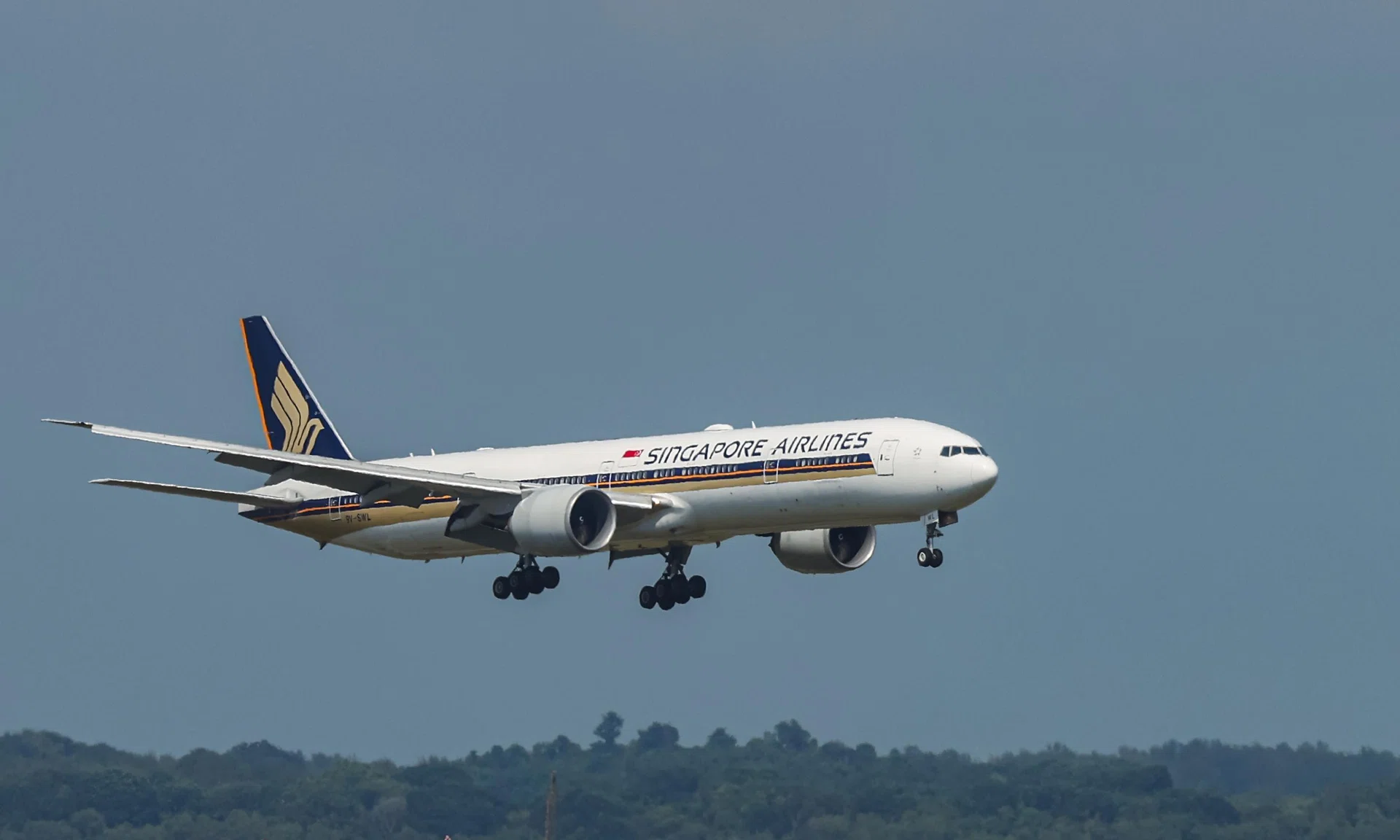
The ongoing conflict involving Iran has significantly impacted global air travel, particularly affecting airlines that rely on Middle East hubs such as Dubai and Doha. Emirates, Qatar Airways, and Etihad Airways have faced closures of airspaces and grounded aircraft, resulting in a decrease in long-haul flight capacity. In response, Western carriers like Lufthansa, British Airways, and Air France-KLM have increased flights to destinations across Asia, India, and Australia to compensate for the loss of Middle Eastern routes. European airlines are attempting to adapt quickly, but uncertainty remains whether these changes are temporary or will lead to a lasting shift in global aviation patterns. The war has also driven up fuel prices, adding further stress to airline finances, which have already seen shares decline significantly since the conflict escalated. The Middle Eastern airlines aim to regain market share through more aggressive pricing strategies and expanded routes, sparking speculation about a potential price war. Meanwhile, Asian airlines such as Singapore Airlines and Cathay Pacific are expanding their European services, although rerouting over narrower and geopolitically sensitive airspace has complicated operations. The rerouting of flights over Georgia, Azerbaijan, and Central Asia has added to congestion and logistical challenges. Experts suggest that while capacity may be diverted to the Atlantic routes, demand might not be enough to support a substantial increase in traffic, leaving the industry in an uncertain state. Overall, the aviation industry faces ongoing disruption from geopolitical tensions and economic pressures, prompting strategic adjustments and reshaping of hub and route models in the coming years.
The Impact of the Iran Conflict on Global Aviation and Middle Eastern Hub Airlines
The Impact of the Iran Conflict on Global Aviation and Middle Eastern Hub Airlines
Trending
|
6 months ago

Share to:
Latest news
Related airlines
Related airports
powered by We Do Dev Work 
We use cookies and similar technologies to enhance your Browse experience, personalize content and ads, provide social media features, and analyze our traffic. By clicking 'Accept All' or continuing to use our website, you consent to the use of cookies as described in our Cookie Policy