On August 27, 1939, test pilot Erich Warsitz achieved a historic milestone in aviation history by flying the first aircraft powered solely by a turbojet engine. The Heinkel He 178, powered by Hans von Ohain's HeS 3 turbojet, took off at the Heinkel airfield in Rostock-Marienehe just days before the outbreak of World War II. This unpublicized flight marked the transition from piston-driven aircraft to jet propulsion, which would revolutionize air travel and military aviation.
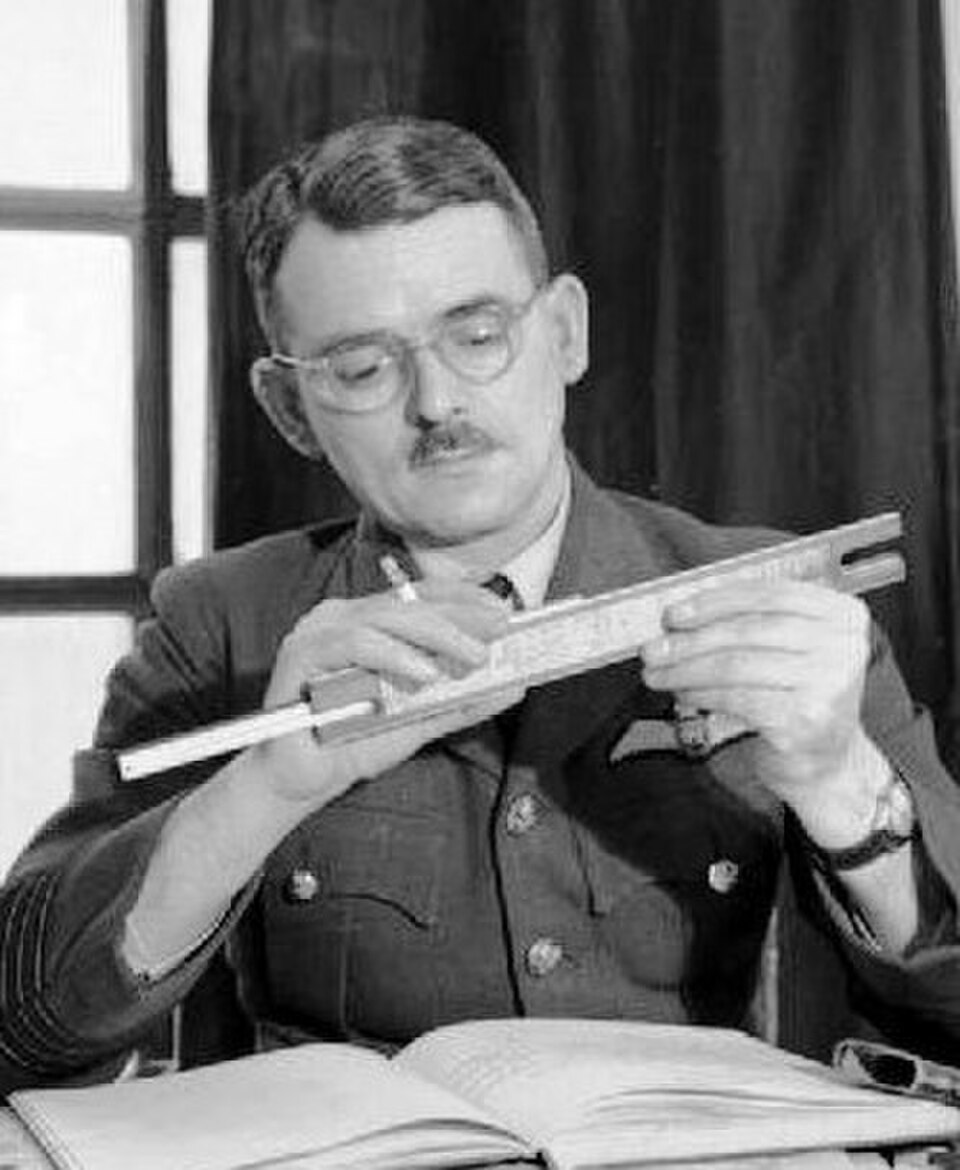
The development of jet engines was independently accomplished by two engineers: Frank Whittle in Britain and Hans von Ohain in Germany. Whittle's work began in the early 1930s and culminated in the first British jet-powered flight in 1941, influencing American jet aircraft like the Bell XP-59. Meanwhile, von Ohain's German design flew first in August 1939, with the Me 262 becoming the first operational jet fighter in 1944, surpassing Allied aircraft in speed and performance.
The introduction of jet propulsion fundamentally transformed aviation, leading to faster, quieter, and more reliable aircraft. The technological breakthroughs during and after the war paved the way for the development of jet airliners, such as the Boeing 707, which made transoceanic travel accessible to the masses, shaping modern global transportation networks.
Today, the legacy of that initial flight in Rostock continues to influence aeronautical engineering and military strategy, underscoring the significance of innovation driven by scientific curiosity and competition.

