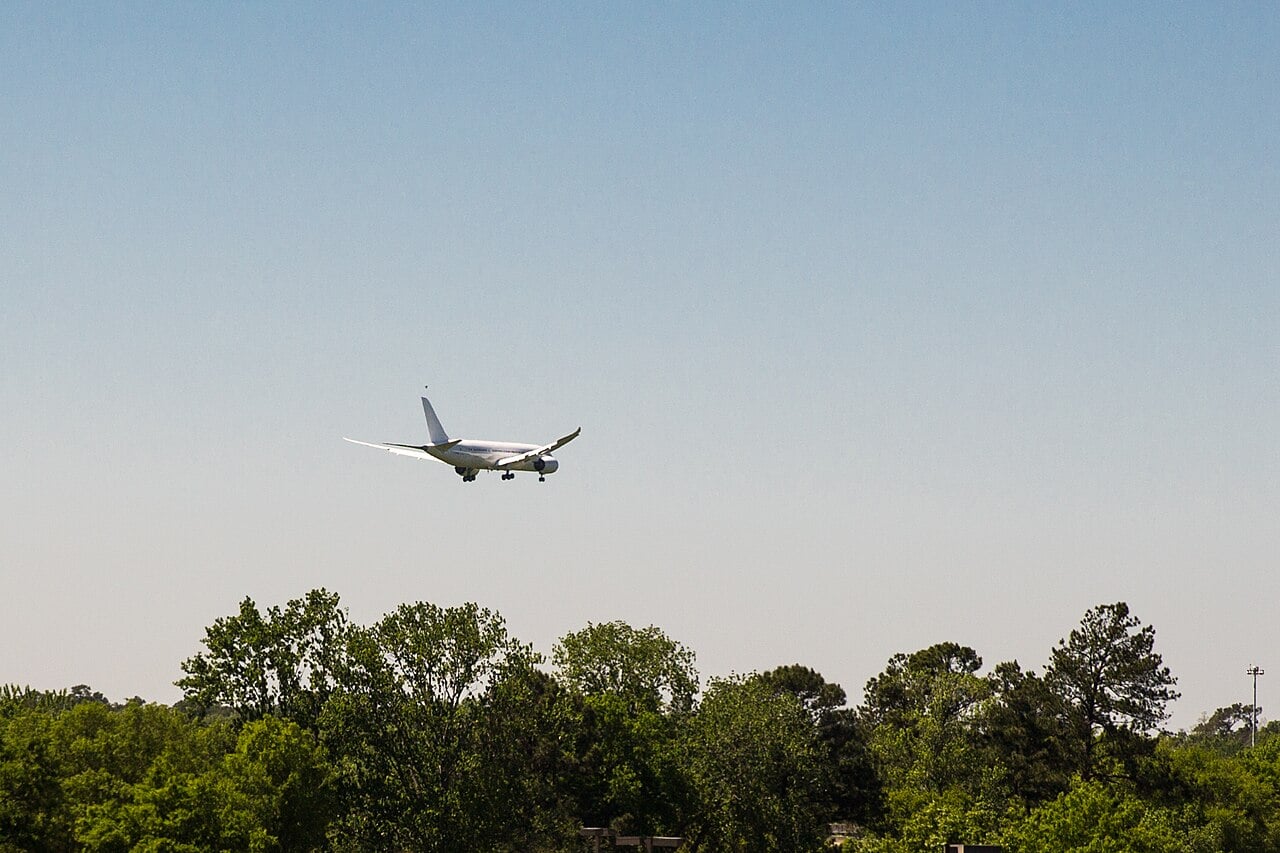
The aviation industry has experienced a significant shift in aircraft construction materials over the past decade. Historically, commercial airliners were primarily built from aluminium, which involved assembling hundreds of metal sheets and rivets. However, with the advent of the Boeing 787 Dreamliner, manufacturers transitioned to more advanced composites, specifically carbon-fibre reinforced polymer (CFRP).
These new materials offer substantial benefits. CFRP is approximately 40% lighter than aluminium for the same volume, which translates into lower fuel consumption and increased range. Additionally, composites have a fatigue life five to ten times greater than traditional metals and do not corrode, resulting in longer service life and reduced maintenance costs.
Construction Innovations
Aircraft manufacturers now wind carbon-fibre tape around large molds to create seamless fuselage sections, eliminating thousands of rivets and joints. This method not only enhances durability but also reduces aerodynamic drag. The Airbus A350 XWB is a direct response to the Boeing 787, featuring a predominantly composite structure for long-haul efficiency.
“Carbon-fibre composites resist fatigue and corrosion far better than aluminium, which means longer service life and lower maintenance,”
said aerospace engineers.
Despite these advantages, composites are more challenging to manufacture, inspect, and repair, especially after crashes or lightning strikes. Nonetheless, the composite revolution has allowed airlines to operate more efficient, comfortable, and longer-lasting aircraft, demonstrating that these materials are a significant step forward in aviation technology.
Next time you observe an aircraft wing bending during flight, it is likely made from composite materials that permit such flexibility without compromising structural integrity.

