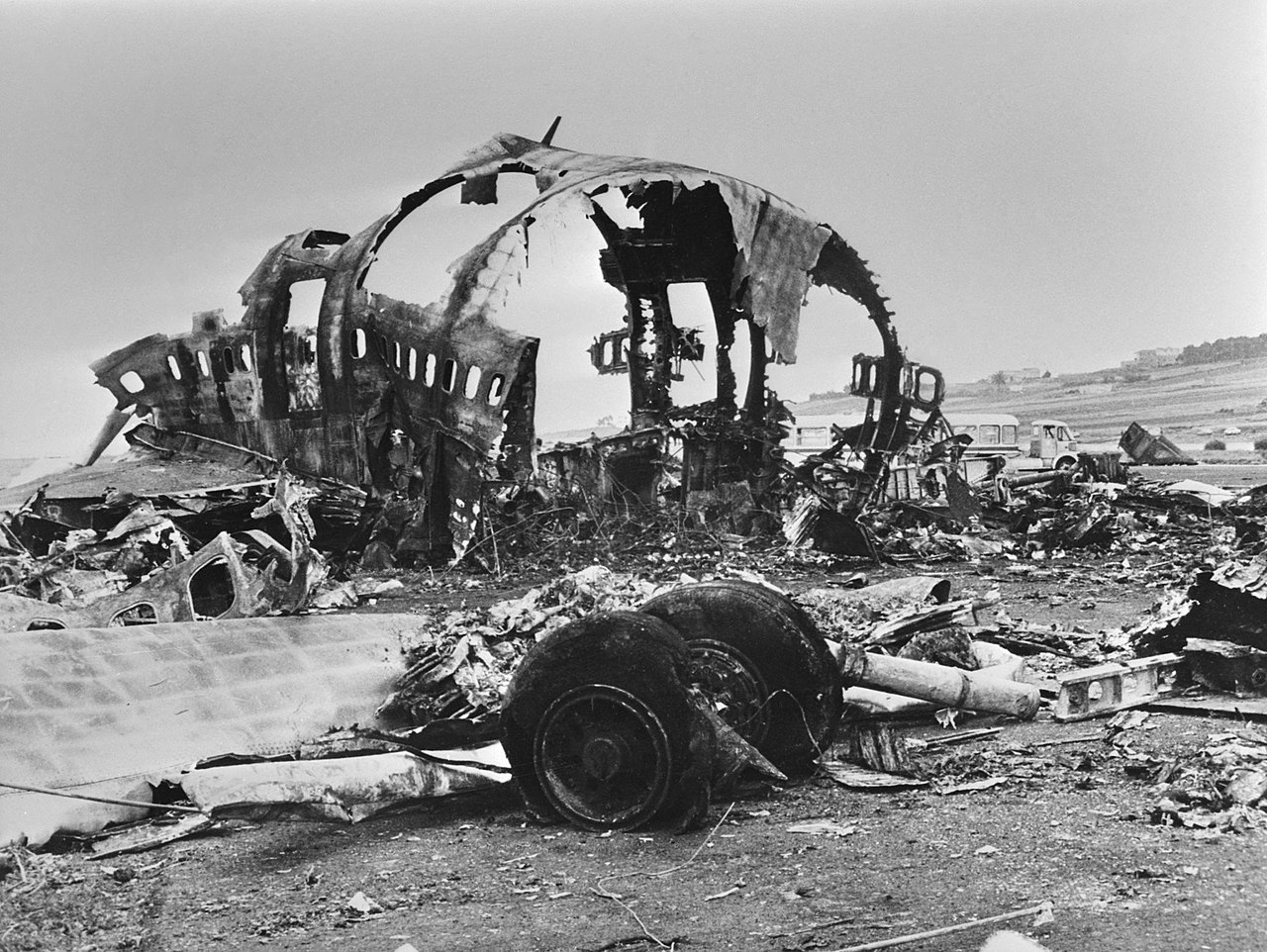
On 27 March 1977, the Tenerife airport disaster involved two Boeing 747s, KLM Flight 4805 and Pan Am Flight 1736, which collided on the runway at Los Rodeos Airport in the Canary Islands. The accident occurred during a foggy afternoon after both aircraft, diverted due to a bomb threat at Gran Canaria, attempted to depart amidst deteriorating visibility and miscommunication.
The incident resulted in the deaths of 583 individuals, with only 61 survivors, all from the Pan Am aircraft. Investigations revealed that miscommunication, ambiguous radio calls, and human factors played critical roles in the catastrophe. The pilots' decision to proceed with takeoff without clear authorization from air traffic control was a pivotal element in the chain of events.
Following the disaster, aviation safety practices were overhauled globally. Phraseology was standardized to clarify communication, and Crew Resource Management was introduced to empower crew members to voice concerns regardless of hierarchy, preventing similar accidents. The Tenerife tragedy remains a somber reminder of the importance of clear communication and human factors in aviation safety.

