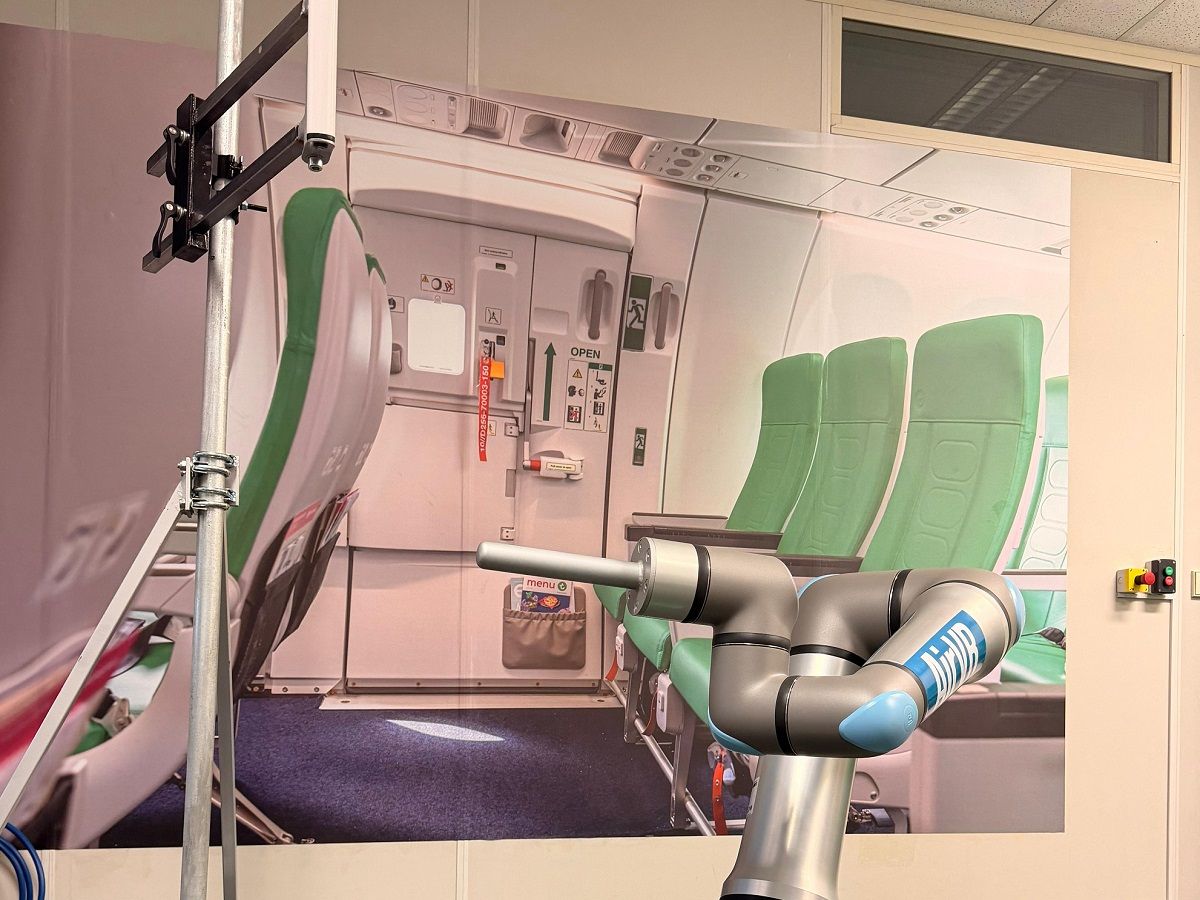
Transavia has implemented an innovative virtual reality training system for its cabin crew, known as the AirVR Door Trainer. The system combines virtual simulation with robotic technology to replicate the mechanics of aircraft doors, supporting emergency and operational training scenarios.
Developed by Danish firm AirVR, this immersive platform allows crews to practice realistic, hands-on scenarios in a virtual environment, receiving immediate feedback to enhance learning outcomes. The training system was launched at Schiphol-East and is poised to be fully operational by early 2026, demonstrating Transavia’s commitment to advancing crew training capabilities.
Industry Context and Future Outlook
This development signifies a broader trend within civil aviation toward adopting virtual reality and robotic systems for efficient and effective training. By integrating cutting-edge technologies, airlines aim to improve safety standards, reduce training costs, and offer flexible, realistic simulations that better prepare crew members for real-world emergencies and operations.
The AirVR Door Trainer’s deployment underscores the importance of technological innovation in airline training programs amidst an evolving operational landscape, positioning Transavia at the forefront of aviation safety and training excellence.

