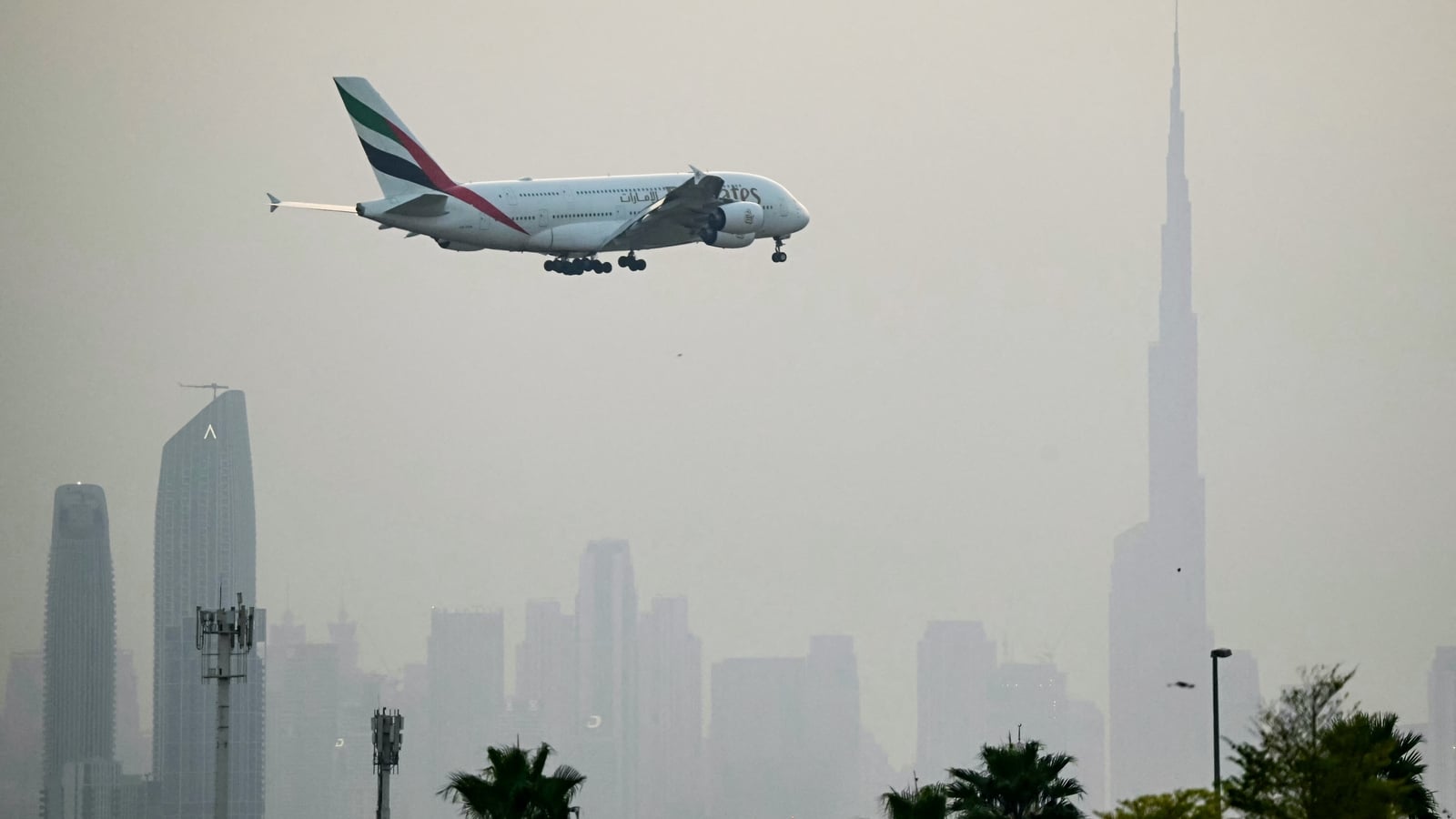
Recent developments in the Middle East conflict have significantly impacted international air travel, particularly in and around the Gulf region. Many airlines, including Emirates, Qatar Airways, and Etihad Airways, have reduced their flight capacities, leading to limited options for passengers traveling between Europe, Australia, and the Pacific Islands. For example, Etihad is operating at only 15% of its pre-war capacity, while Emirates are at around 60%.
Passengers like Dublin native Brian Sullivan, who was scheduled to fly from Melbourne via Abu Dhabi, have had their plans disrupted, with some family trips canceled or rebooked through less direct routes. The travel advice remains to avoid non-essential trips to Gulf countries such as Kuwait, Bahrain, UAE, Qatar, and Saudi Arabia, as the region's role as a transit hub diminishes if the conflict persists.
In response to rising oil prices and decreased Gulf capacity, airlines worldwide are increasing fares to offset higher operating costs. Notably, European airlines like KLM, Air France, and Lufthansa are hedged against fuel price volatility, which somewhat mitigates immediate fare hikes. However, unhedged US carriers may raise prices more aggressively on long-haul and transatlantic routes.
The tourism industry in the Middle East, especially in Dubai, has suffered substantial losses estimated at up to $56 billion, with fewer visitors expected this year. Meanwhile, some European destinations like Spain, Portugal, and the Canary Islands may see increased demand as travelers seek alternatives to the conflict-affected regions. Overall, the aviation sector faces ongoing challenges due to geopolitical instability and rising fuel costs, impacting both travel prices and capacity.

