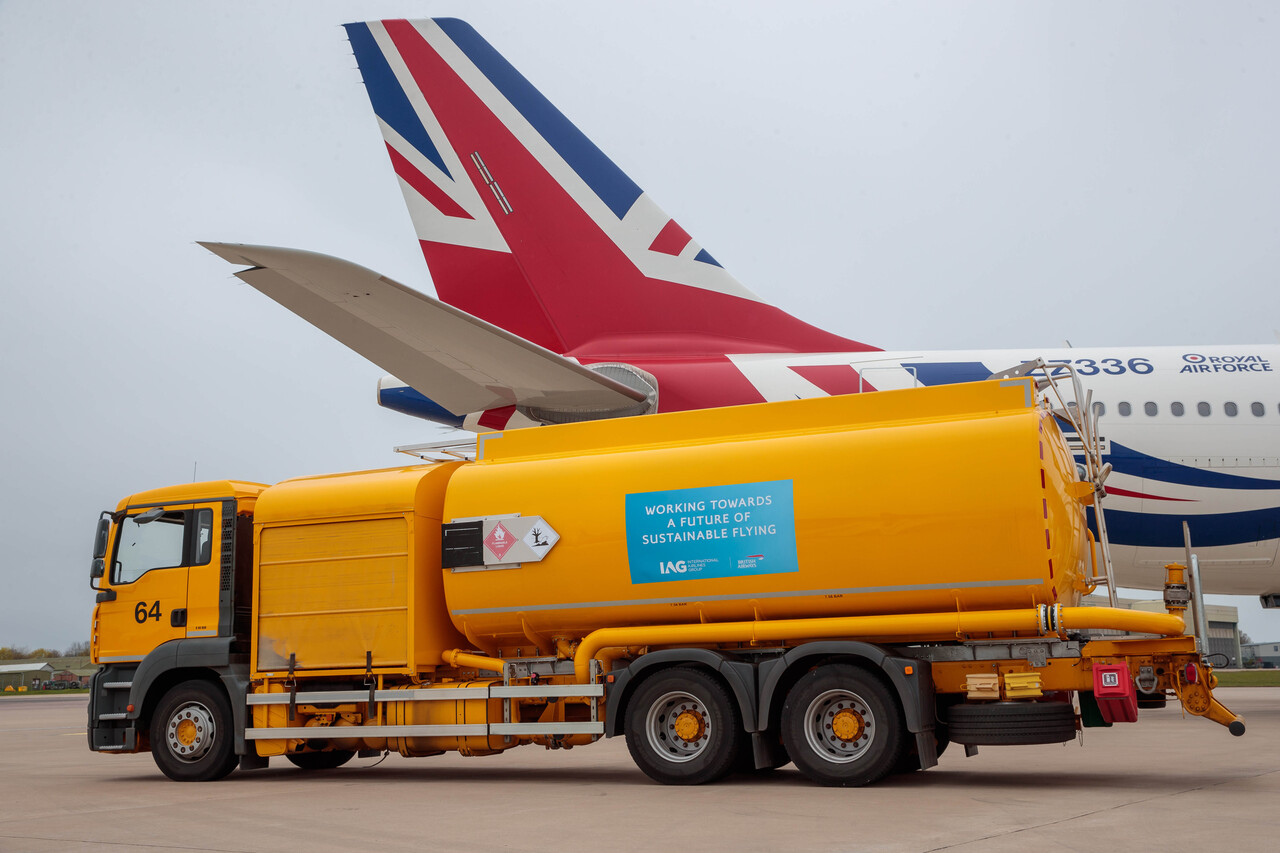
The UK government and the aviation sector have announced significant progress in their efforts to reach net zero emissions by 2050. The Jet Zero Taskforce's inaugural progress report, presented at the Sustainable Skies World Summit, details advances in sustainable fuels, next-generation propulsion technologies, and operational efficiencies that aim to reduce aviation's carbon footprint. Central to these efforts is the UK's SAF mandate, launched in early 2025, requiring fuel blending that aims to stimulate domestic production and cut lifecycle emissions.
Industry responses include expanding SAF supply chains and investing in innovative projects such as Project Speedbird. These initiatives are complemented by substantial public-private funding, including nearly £240 million dedicated to hydrogen and electric propulsion programs. Operational measures like improved air traffic management and airspace design are also contributing to short-term emission reductions, addressing non-CO₂ climate impacts such as contrails.
In addition to technological and operational improvements, the report highlights the importance of greenhouse gas removals, with industry committing to purchase carbon credits and aiming for 20 to 30 million tonnes of removals annually by 2050. Challenges remain, particularly in scaling SAF and hydrogen infrastructure, but the sector remains committed to a resilient and sustainable future, emphasizing collaboration and policy support.

