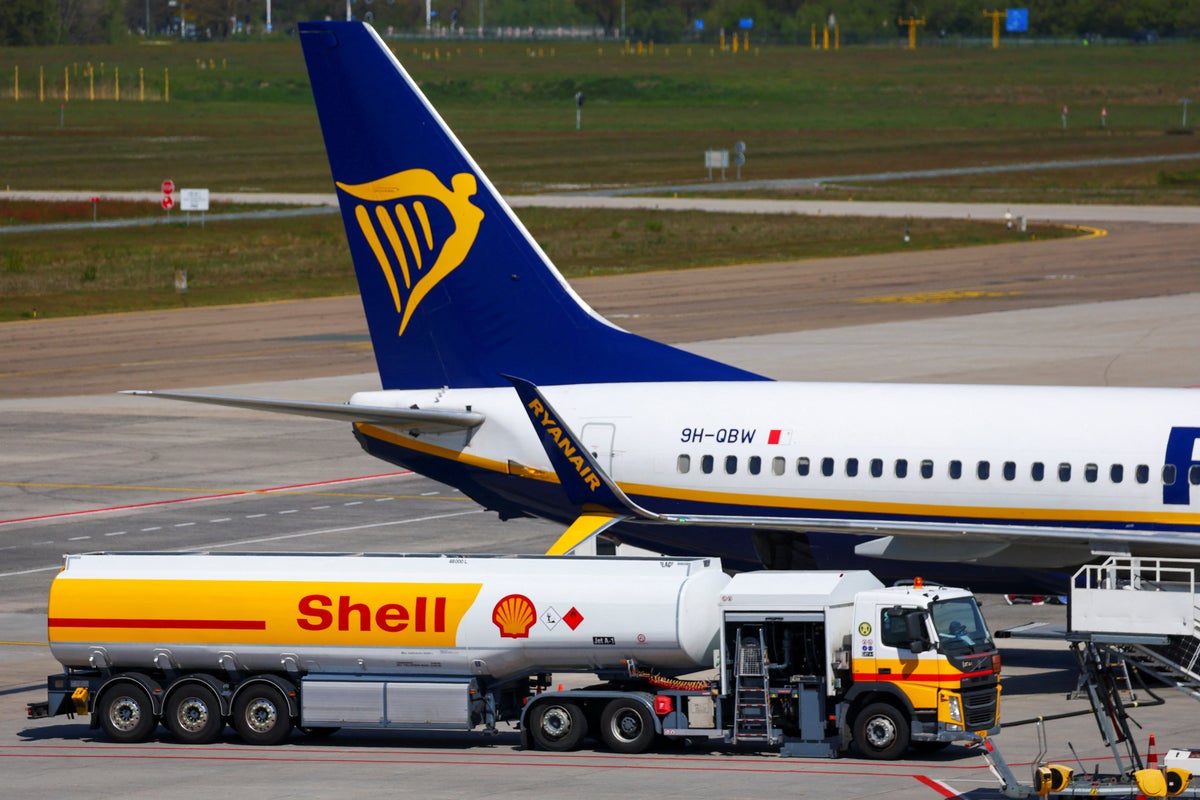
The UK government is vigilantly monitoring its jet fuel reserves in response to rising concerns over a possible shortage that might impact the aviation industry. Despite these worries, airlines such as Jet2, Virgin Atlantic, and easyJet have assured the public that they are currently operating normally and see no immediate disruptions.
To mitigate risks, regulators have adjusted key policies, including suspending the "use it or lose it" slot rule, which typically requires airlines to utilize at least 80% of their allocated slots to retain them for the following season. This measure aims to prevent flight cancellations due to potential fuel shortages.
The Department for Transport emphasized ongoing cooperation with airlines, airports, and fuel suppliers to ensure smooth operations and passenger mobility. In context, global oil prices continue to rise due to geopolitical tensions in the Middle East, notably the US-Israel conflict and the closure of the Strait of Hormuz, which threaten to impact fuel availability.
Additionally, airlines like Jet2 announced they will not impose surcharge fees related to fuel cost increases, providing reassurance to travelers. Industry officials outlined that, based on current information, airlines are prepared to maintain flight schedules and adapt quickly if the situation worsens, emphasizing managed contingency planning.
This situation underscores the interconnectedness of geopolitical risks and commercial aviation safety. Authorities remain committed to working closely with the industry to prevent disruptions, ensuring continued connectivity and economic stability amidst global tensions.

