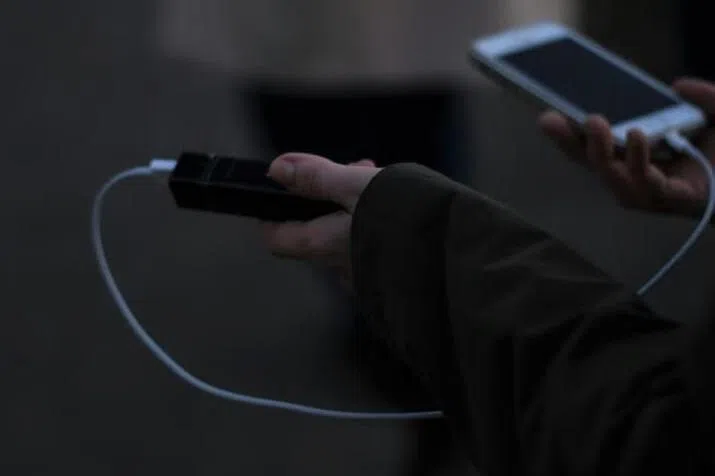
The international civil aviation sector has introduced new regulations on the use of portable, rechargeable batteries aboard aircraft. The United Nations aviation agency, ICAO, announced that each passenger will now be limited to carrying only two power banks on flights, with the new restrictions taking effect immediately. Additionally, passengers are not permitted to recharge these devices during flight to mitigate fire risks and ensure aviation safety.
This rule follows previous restrictions implemented by airlines such as the Lufthansa Group and countries including South Korea, especially after incidents involving fires caused by power banks, such as the one on an Air Busan aircraft in 2025. ICAO's standards aim to prevent similar incidents and foster safer air travel worldwide.
Global Standards and Impacts
Montreal-based ICAO, which sets international standards for civil aviation, stated that these specifications are effective immediately and are meant to enhance safety during the transportation of electronic devices. The new rules are part of broader efforts to regulate electronics on aircraft, aligning with the growing popularity of portable chargers among travelers.
"The use of power banks on aircraft poses a fire risk, and limiting their number and use during flights is a measure to safeguard passengers and crew," an ICAO spokesperson said.
Airlines and travelers are advised to comply with these regulations to avoid penalties, such as device confiscation or fines. The US Federal Aviation Administration (FAA) has yet to announce its stance, but they are expected to align with international standards.
This move underscores the increasing focus on safety measures involving consumer electronics and highlights the importance of international cooperation to prevent aviation incidents related to portable devices.

