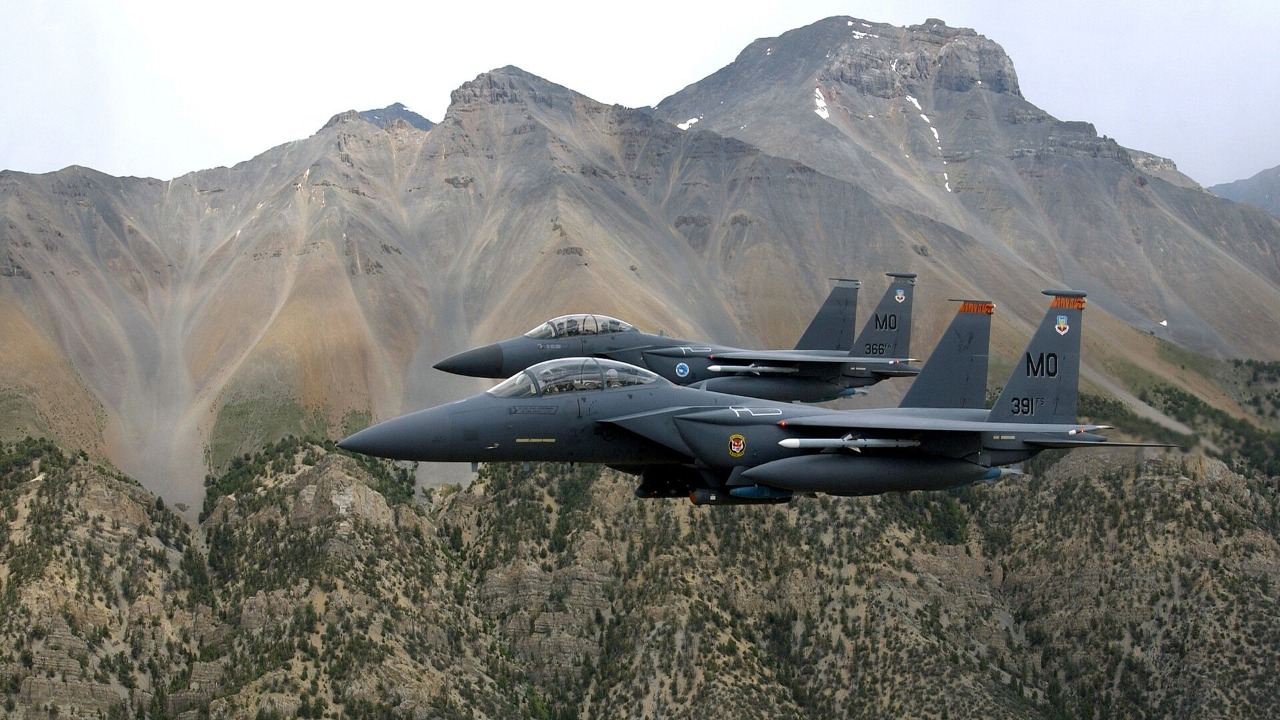
Understanding radar detection involves comprehending the limitations imposed by Earth's curvature and atmospheric conditions. Radar systems operate line-of-sight, with their maximum detection range primarily determined by the altitude of the radar and the target. The concept, known as the radar horizon, increases dramatically with altitude, allowing high-flying aircraft such as AWACS to detect low-flying targets at distances of several hundred miles.
The article explains how the curvature of the planet acts as a natural obstacle to radar detection, but atmospheric effects like refraction and ducting can modify these limits. Techniques such as terrain masking, where aircraft fly low behind natural terrain features, effectively hide them from ground-based radars. Conversely, over-the-horizon radars utilize the ionosphere to detect objects thousands of kilometers away, despite trade-offs in resolution and reliability.
The importance of altitude and terrain in radar evasion
The piece concludes that “under the radar” is a literal phrase—flying below the Earth's curvature or intervening terrain physically shields aircraft from detection. High-altitude platforms like AWACS extend the line-of-sight horizon significantly, making them invaluable assets for comprehensive airspace surveillance. Atmospheric phenomena can temporarily extend or reduce radar reach, but physical geography remains the primary factor in stealth tactics.
This understanding underscores why modern militaries invest heavily in high-altitude surveillance aircraft and terrain-following tactics, as they are crucial in maintaining situational awareness and homeland security.

