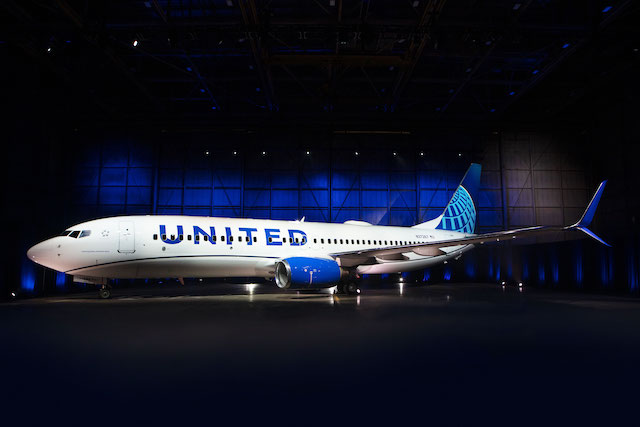
United Airlines is preparing to release its Q1 2026 earnings amid concerns over declining stock values and rising operational costs. Surges in fuel prices driven by geopolitical conflicts in the Middle East have prompted the airline to implement capacity cuts and fare increases, aiming to offset the impact of inflation on profitability.
The airline’s strategic response includes reducing capacity by approximately 5% and suspending less profitable routes through 2027. These measures are intended to enhance resilience against high energy costs and inflationary pressures. Despite these challenges, United Airlines continues to focus on high-margin markets and cost management to navigate an uncertain economic environment.
Financial Outlook and Industry Context
For 2026, analysts have revised earnings estimates downward, with a median EPS forecast of $9.93, reflecting expectations of weaker performance. Operating expenses for 2025 highlight the significant proportion dedicated to salaries and fuel, with the latter totaling over $11 billion. Market concerns center on surging jet fuel prices resulting from ongoing geopolitical tensions, which are expected to influence earnings and strategic decisions.
"If fuel costs remain elevated, United Airlines prefers to sacrifice demand rather than operate loss-making routes,"
As a result, the company is prioritizing resource allocation towards the most profitable sectors while actively managing costs. The upcoming earnings release will reveal how effectively United Airlines can pass high fuel costs to consumers and sustain its operations amid volatile geopolitical conditions and economic uncertainties.
While tensions in the Middle East have eased, supply constraints and high oil prices persist. The airline industry remains vulnerable to external shocks, and United Airlines’ ability to adapt will be crucial for its long-term viability in the current 'aviation winter.'

