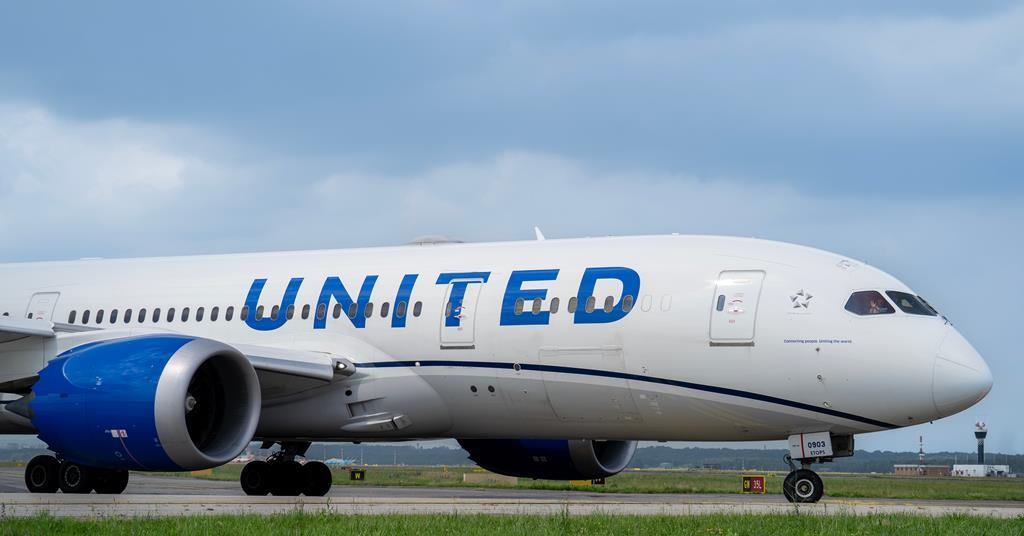
United Airlines has announced plans to reduce its operational capacity in the near term by up to five percent. This move is a strategic response to forecasts of sustained high jet fuel prices, which are expected to remain around $175 per barrel through 2027, largely due to geopolitical tensions in the Middle East.
In an internal communication, CEO Scott Kirby explained that such elevated fuel costs could impose an additional $11 billion in annual expenses, significantly surpassing the airline’s annual earnings. To mitigate financial strain during this period, United will trim off-peak flight services, including red-eye flights scheduled for the second and third quarters of this year, and reduce capacity at Chicago O'Hare to comply with FAA flight caps.
The airline also temporarily suspended flights to Tel Aviv and Dubai, reflecting the ongoing regional conflicts. Despite these immediate measures, Kirby emphasized that the airline’s long-term growth strategy remains untouched, with plans to deliver around 120 new aircraft this year and approximately 130 by April 2028. He highlighted that customer demand continues to be strong, and the airline has the financial resilience to focus on future development.

