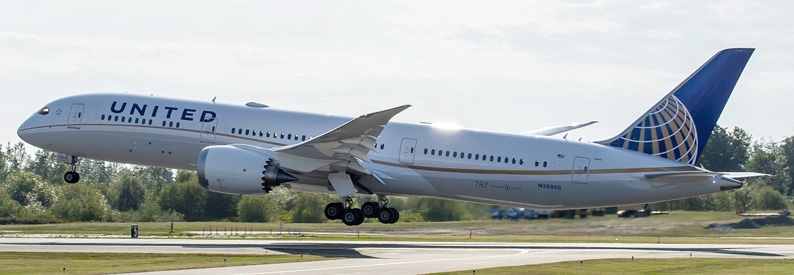
United Airlines is announcing a strategic capacity reduction of up to five percent in the upcoming months. This measure is a response to the escalating fuel prices driven by ongoing conflicts in the Middle East, which have significantly increased operating costs for carriers worldwide. The airline's CEO, Scott Kirby, stated that fuel prices are expected to remain elevated, with a rate around USD 175 per barrel for the rest of 2026, and stay above USD 100 until the end of 2027. Such projections imply an additional annual expenditure of approximately USD 11 billion solely for jet fuel if current levels persist.
To offset these costs, United intends to reduce flying from unprofitable routes and make capacity adjustments at critical hubs, notably a one percentage point cut at Chicago O'Hare (ORD), where it is involved in a market dispute with American Airlines. Despite these operational changes, Kirby reassured investors that consumer demand continues to be robust, and United's financial position remains strong enough to support ongoing aircraft deliveries planned for the coming years. The company expects to restore its full flight schedule by the fall.
Industry Concerns
The broader aviation sector is also responding to the fuel price surge. During a recent investors' conference, executives from American Airlines and Delta Air Lines forecasted an increase of around USD 400 million in fuel expenses for the current quarter alone. These developments reflect widespread industry apprehension about profitability amid volatile fuel markets exacerbated by geopolitical conflicts, with airlines carefully adjusting strategies to mitigate financial impacts.

