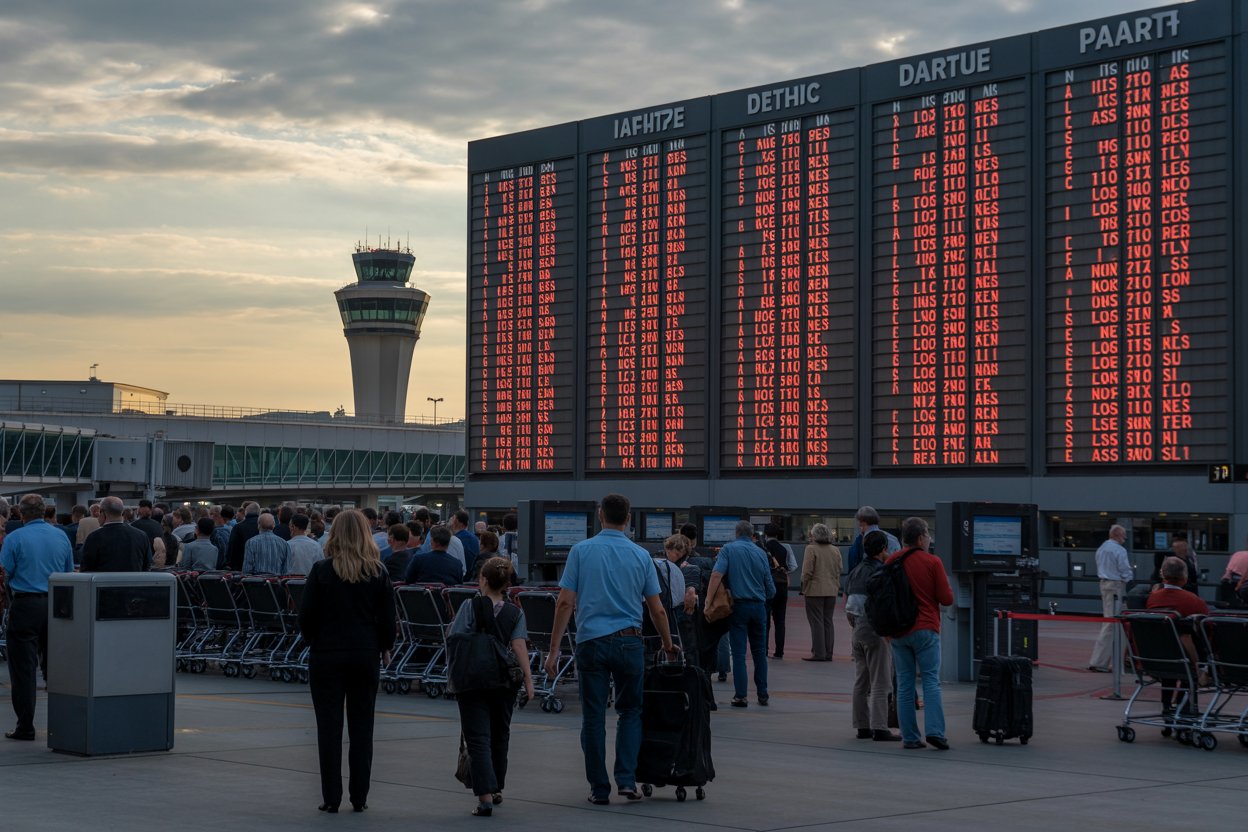
The United States aviation system faced significant challenges during the government shutdown in October 2025, primarily impacting air traffic control staffing and flight schedules. Thousands of controllers, considered essential personnel, worked without pay, prompting airlines to reduce flights to avoid safety risks amid workforce shortages.
In response, the Federal Aviation Administration (FAA) initially mandated flight reductions of approximately 4%, which later increased to 10% during peak traffic periods. As conditions improved, these restrictions were scaled back to 6% and eventually to 3%, signaling growing confidence in air traffic staffing and safety measures. This easing of regulations is a strategic move that reflects better operational stability and a cautious optimism about full system recovery.
For travelers, the positive development means fewer cancellations and disruptions, although some risks remain, especially during busy travel seasons like holidays. The FAA emphasizes that ongoing monitoring of staffing levels, operational safety indicators, and airline scheduling is critical before resuming normal operations fully.
The incident underscored long-standing issues such as chronic staffing shortages and systemic fragility. While recent steps mark progress, continuous efforts are needed to bolster resilience. Experts advise travelers to stay informed about flight statuses, exercise flexibility, and exercise patience as the system moves toward full recovery.

