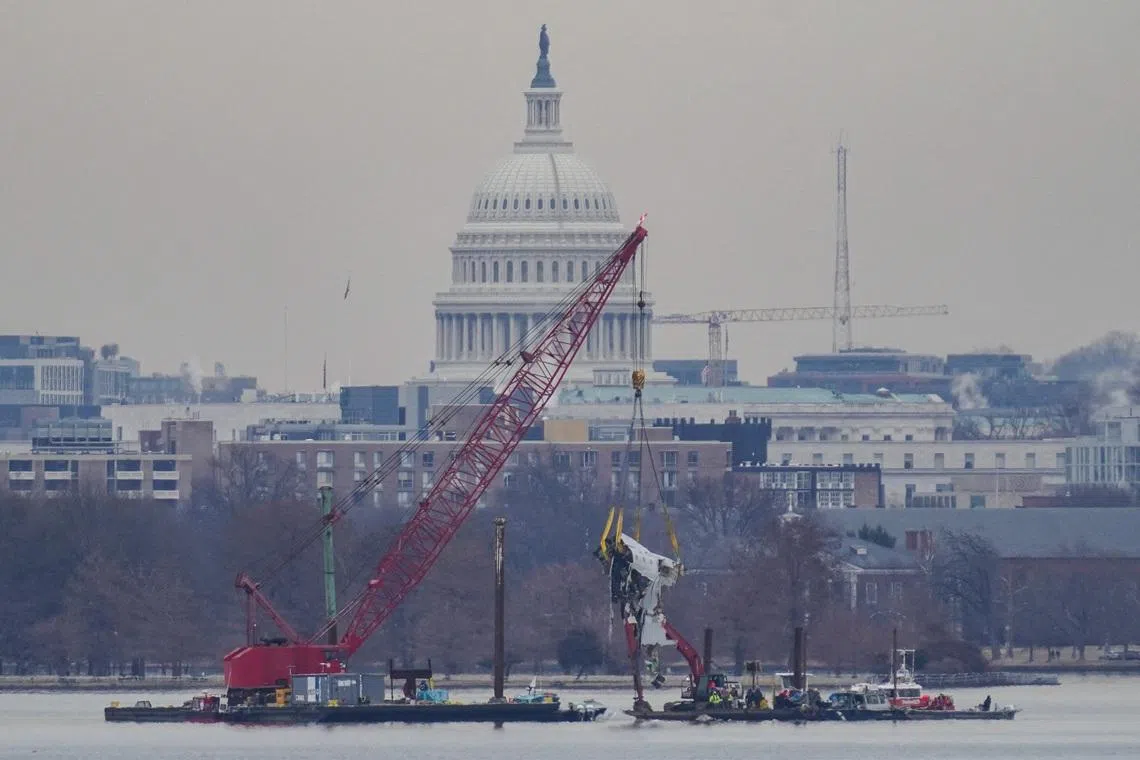
The Federal Aviation Administration (FAA) will be questioned by lawmakers on May 19 regarding systemic failures that contributed to a fatal mid-air collision near Ronald Reagan Washington National Airport in January 2025. The accident between an American Airlines regional jet and an Army Black Hawk helicopter resulted in 67 fatalities, marking one of the deadliest aviation disasters in recent U.S. history.
The National Transportation Safety Board (NTSB) identified deficiencies in the FAA's traffic management near the airport, specifically its decision to allow helicopters to operate without adequate safeguards. The agency's failure to review and act on safety recommendations further exacerbated the risk. NTSB Chair Jennifer Homendy emphasized issues with communication, safety culture, and procedures, which led to increased near-misses and incidents, including over 15,000 air separation violations since 2021.
Congressional Response and Safety Recommendations
The incident has prompted the passage of conflicting bills in the House and Senate aimed at enhancing aviation safety. Republican Senator Jerry Moran highlighted the fragile state of the U.S. aviation system and the urgency to implement safety standards without delay. The NTSB's over 30 safety recommendations to the FAA remain unaddressed, raising concerns over the airline and helicopter traffic management policies.
"Our aviation system is fragile, as demonstrated by the several close calls, and we cannot afford any delays in implementation of these safety standards," said Republican Senator Jerry Moran.
The FAA has yet to comment on the findings. The NTSB's investigation concluded that the accident was caused by the FAA's decision to relax helicopter traffic safeguards near the airport, combined with inadequate route reviews and safety measures, which contributed to the deadly collision. The findings highlight ongoing challenges in coordinating air traffic to prevent similar incidents in the future.
The future of aviation safety regulation now hinges on congressional hearings and possible policy reforms, emphasizing the need for more stringent oversight and proactive safety measures to protect both commercial and helicopter operations around busy airports.

