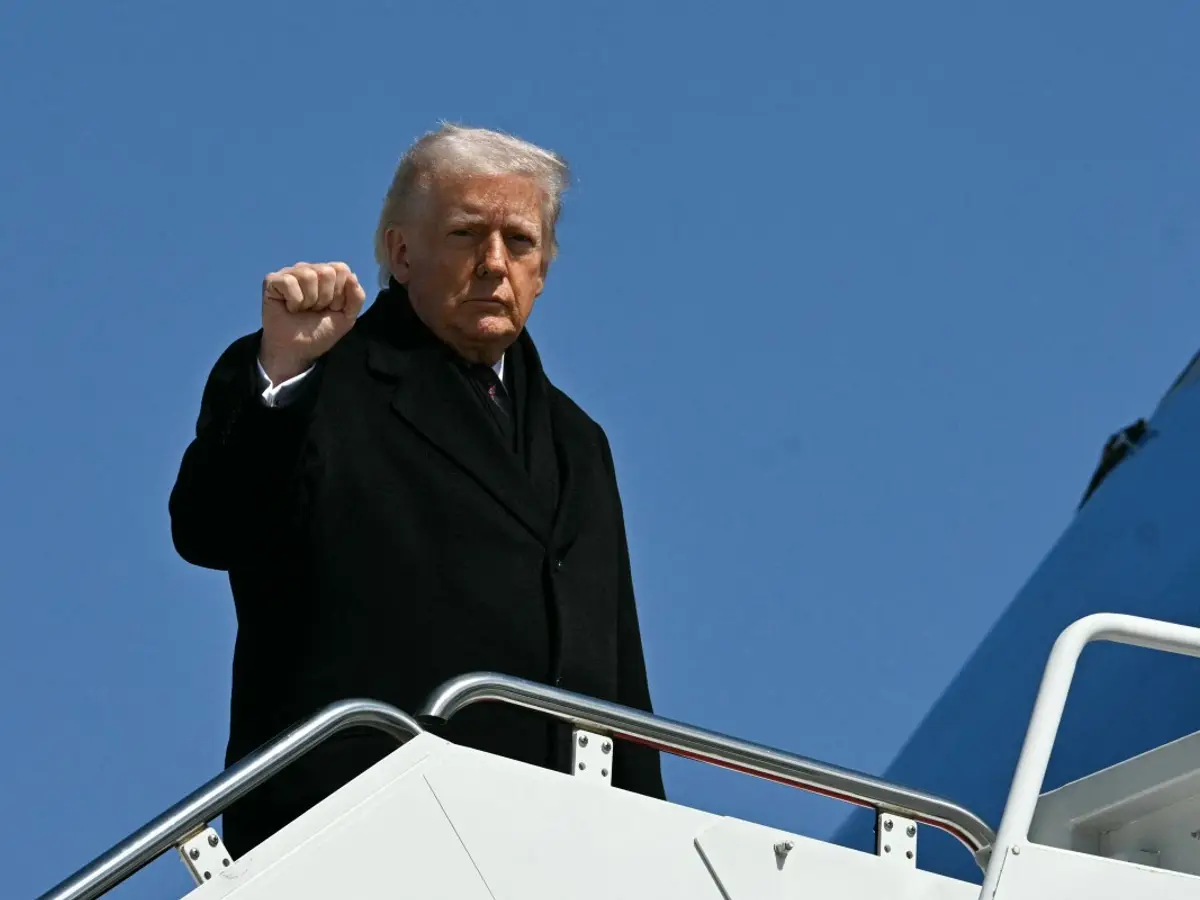
In response to ongoing disruptions from a partial government shutdown affecting the Department of Homeland Security, the President of the United States has proposed a radical overhaul of airport security procedures. The proposal involves deploying Immigration and Customs Enforcement (ICE) agents to airports across the country, effectively replacing the existing Transportation Security Administration (TSA) personnel who are currently unpaid.
This initiative aims to introduce a law enforcement-driven model focused on active surveillance and detention of undocumented immigrants, with specific emphasis on communities from Somalia. President Trump claimed that by implementing this approach, airports would be safer and more secure, ensuring greater control over illegal entries and emphasizing the arrest of non-citizens during transit or at points of entry.
The Minnesota Context
The plan particularly targets Minnesota, a state criticized by Trump for being "totally destroyed" by local leadership. The proposal connects immigration enforcement with broader political debates, framing airport security as a front in the national discussion over immigration policy and state governance.
"If the Radical Left Democrats don’t immediately sign an agreement to let our Country, in particular, our Airports, be FREE and SAFE again, I will move our brilliant and patriotic ICE Agents to the Airports where they will do Security like no one has ever seen before, including the immediate arrest of all Illegal Immigrants who have come into our Country, with heavy emphasis on those from Somalia,"
said President Trump.
The controversial shift focuses on active interdiction, specifically targeting certain immigrant communities, and aims to address perceived security gaps. It raises questions about civil liberties, legal protocols, and the operational readiness of such enforcement measures in civilian airports.
This proposal signifies a fundamental change in US airport security policy, moving from a civilian-led screening process to a law enforcement-centric approach. The implications of such a move are significant, touching on issues of civil rights, immigration enforcement, and the future framework of national airport security.

