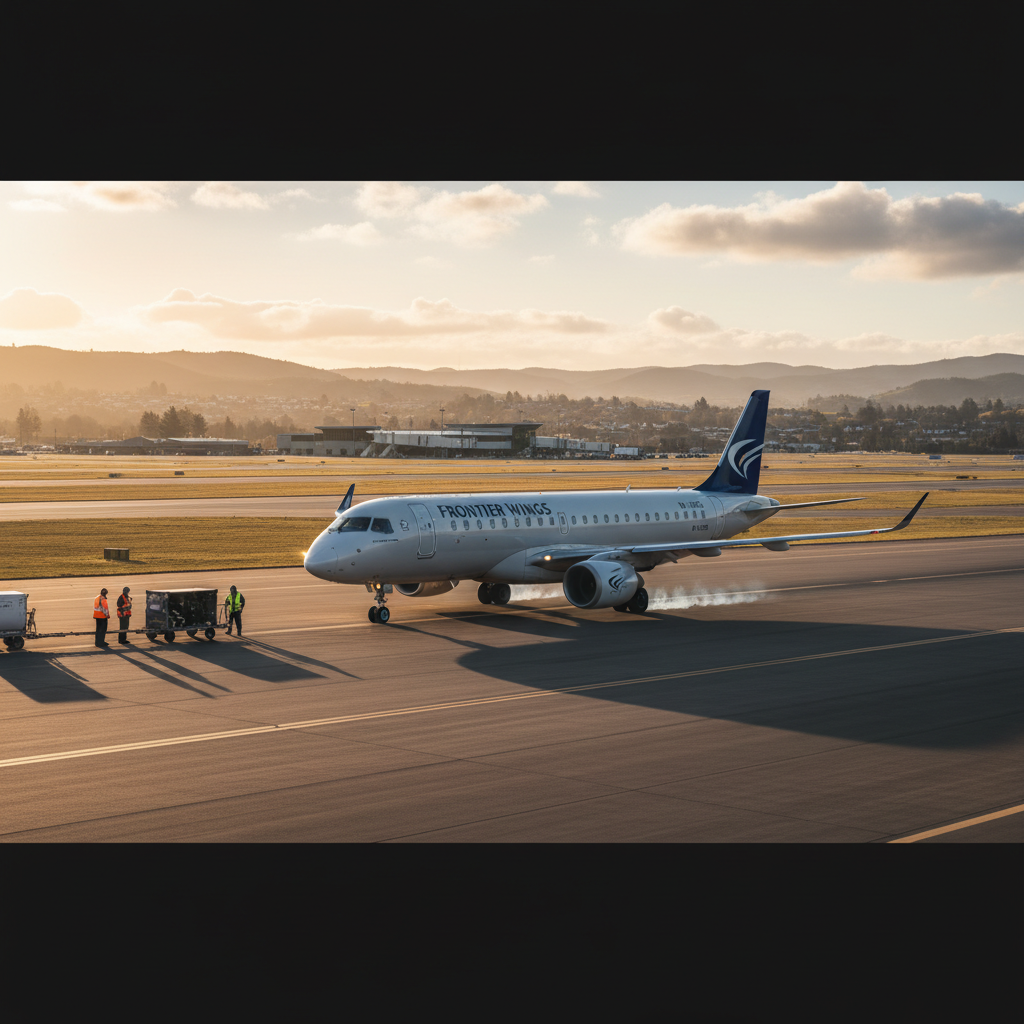
The U.S. regional airline industry has shown signs of recovery, with operational figures indicating growth in 2025 after years of challenges. According to the Regional Airline Association’s annual report, regional carriers operated an average of 8,661 departures daily, an increase of 8.3% from the previous year.
This growth in the regional sector contributed significantly to overall domestic air travel, which increased by 2.4% in total departures during 2025, offsetting declines in other airline segments. However, the industry remains confronted by ongoing issues such as supply chain disruptions, high fuel prices, and labor shortages, which hinder full recovery.
Focused Efforts on Small Community Services
SkyWest Airlines, one of the largest regional carriers, continues to prioritize service to small communities. Wade Steel, its president and COO, emphasized their commitment to restoring and maintaining routes in underserved areas. The airline is planning to introduce new Mitsubishi CRJ-450 jets equipped with Starlink satellite Wi-Fi in late 2026, enhancing passenger experience.
“We are restoring service to small communities. It’s something we work on every day, and we are working through the challenges,” said Wade Steel.
SkyWest also operates the Mitsubishi CRJ-550, a variant of the CRJ-700 designed with fewer seats and a premium cabin, serving United Airlines and Delta Air Lines. The focus remains on providing safe, reliable, and improved air service tailored to community needs.
Industry experts believe that ongoing investments and strategic partnerships will be crucial in overcoming existing hurdles and ensuring the sustainability of regional routes, vital for connecting small American towns to the broader air travel network.

