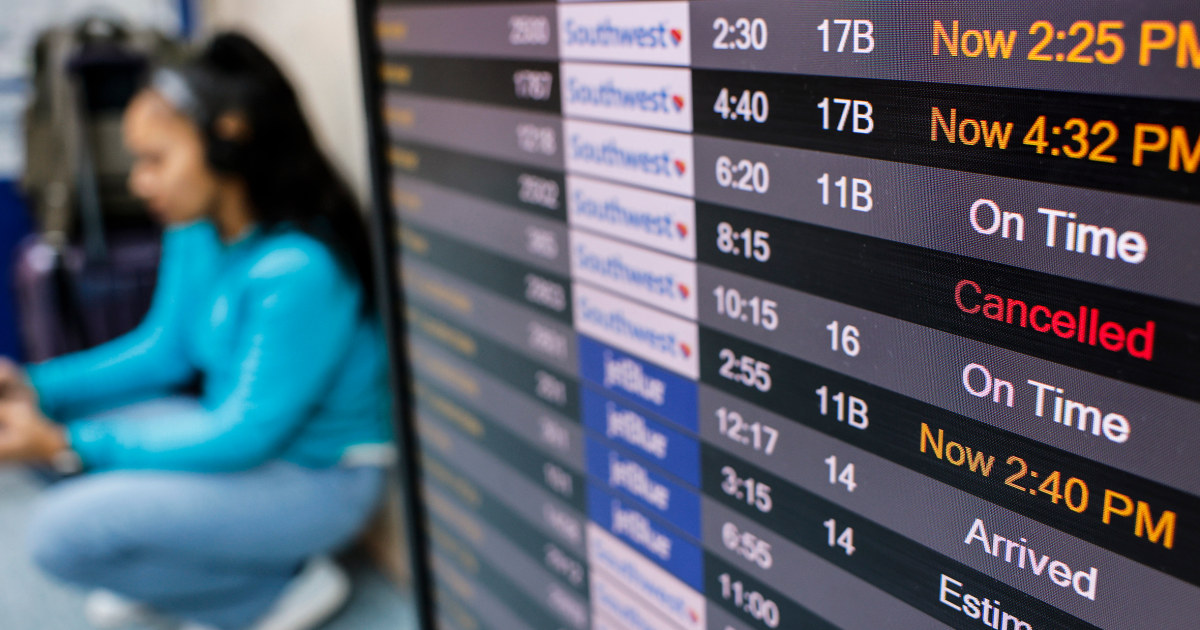
The U.S. Department of Transportation has officially withdrawn a proposed regulation that would have required airlines to compensate passengers for significant delays caused by factors within their control. Originally announced in September and formalized in the Federal Register on Monday, the plan aimed to align U.S. passenger rights more closely with European standards by providing reimbursements based on delay duration, with amounts reaching up to $775 for delays over nine hours.
The department’s spokesperson explained that the Biden-era proposal "does not reflect the compensation consumers are currently entitled to with respect to delays and cancellations." Officials also stated that their broader goal is to ensure fair treatment while avoiding regulations that could raise ticket prices or compromise safety.
Industry and Public Reactions
Airlines and their associations advocated against the regulation, asserting that deregulation fosters better service. Conversely, consumer groups and many individual commenters supported the proposal, emphasizing the financial burdens incurred by delays and the added difficulties faced by passengers with disabilities.
Currently, no U.S. airline enforces a policy of cash compensation for delays, even though they often provide other forms of redress, such as free rebooking. Data indicates that over 60% of domestic flight delays of three hours or longer in recent years were caused by airlines. This regulation’s withdrawal comes amid ongoing air traffic control staffing issues and recent operational reductions following a prolonged government shutdown that temporarily affected flight schedules nationwide.
Looking ahead, with the Thanksgiving travel period approaching—projected to see over 82 million travelers—the industry and consumers are expected to adapt, with some travelers possibly choosing ground transportation to avoid further disruptions in air travel.

