Vietnam’s business aviation sector is experiencing significant growth, driven by a robust economy and increasing demand for private air travel. According to Asian Sky Group, the number of business jets operating in Vietnam rose by 67 percent last year, predominantly consisting of large, long-range aircraft suitable for intercontinental routes. The country’s expanding economy, with a GDP growth of approximately 8 percent, and rising affluence have contributed to the changing perception of business jets as productivity tools rather than luxury assets.
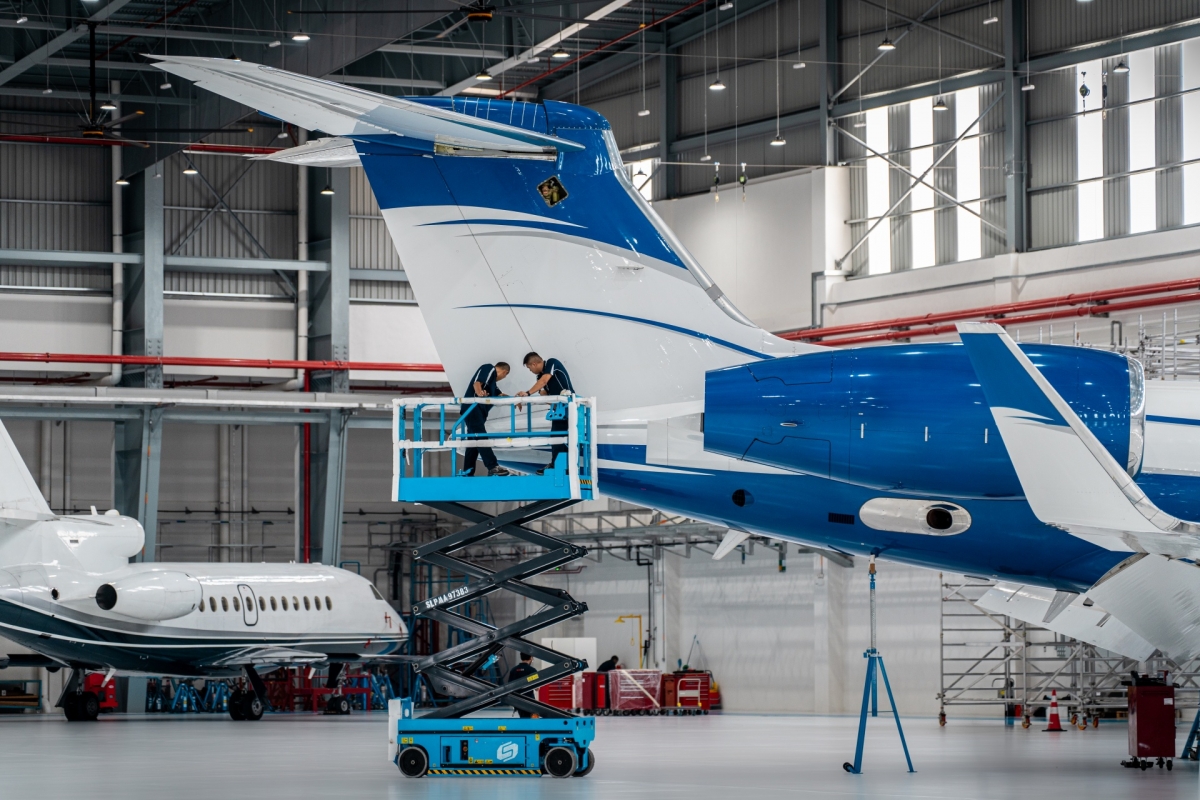
Currently, Vietnam’s fleet primarily includes ultra-long-range aircraft, reflecting the country's preference for direct connections to Europe and North America. Despite the small fleet size—15 aircraft—Vietnam’s market presents promising opportunities for regional MRO providers. Regional hubs like Malaysia and Singapore continue to support Vietnam’s maintenance needs, with Malaysian-approved facilities capable of servicing Vietnam-registered Gulfstream G650ERs. This relationship enhances operational flexibility and cost efficiencies for operators.
Emerging Local Capabilities
Vietnam is gradually exploring domestic MRO infrastructure development. As the fleet expands, there will be increased demand for scheduled maintenance, repairs, and overhaul services within the country. Currently, the Vietnamese authorities have certified external providers, but future growth may lead to independent local capabilities, supporting the country’s goal of becoming a regional aviation hub. The trend toward utilizing underused airports for domestic aviation further indicates potential for expansion in Vietnam’s business aviation ecosystem.
The future outlook suggests a regional shift in maintenance trends, with Vietnam’s market playing an increasingly vital role in Southeast Asia’s business aviation landscape, driven by economic growth, regional cooperation, and strategic investments in infrastructure.

