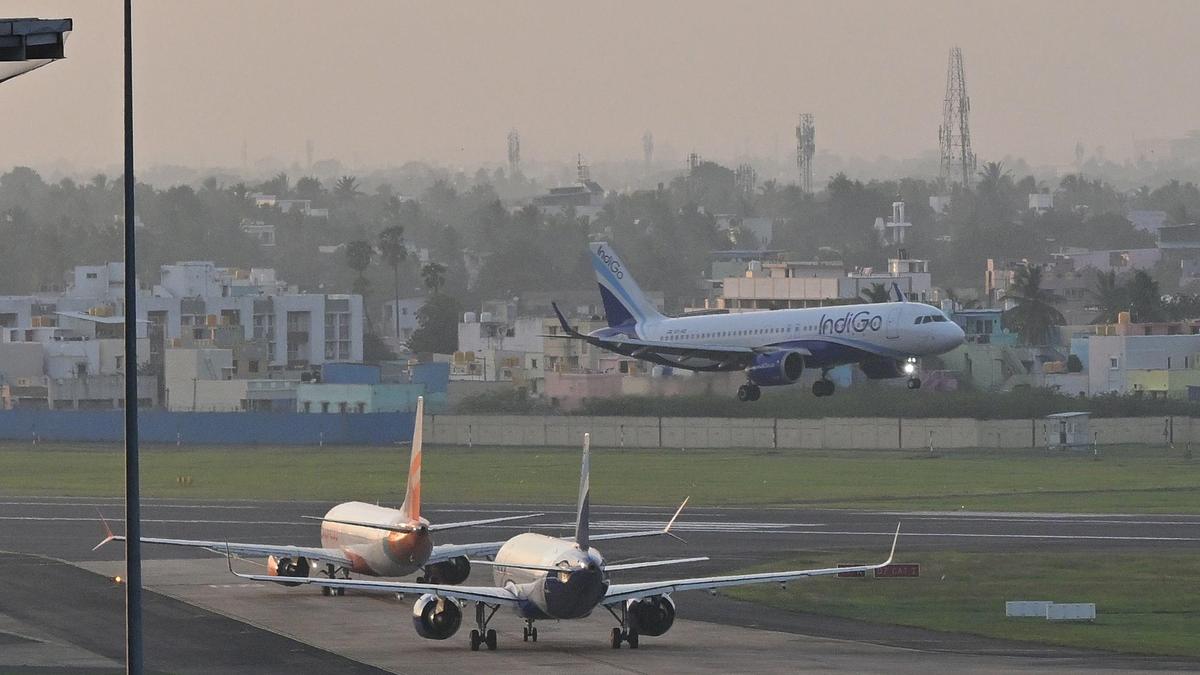
Air travelers may face fare increases of up to ₹20,000 on Gulf routes as airline insurers impose steep war-risk premiums, covering risks such as missile strikes, terrorism, aircraft damage, and passenger casualties. This development, amid rising oil prices and operational costs, could also impact domestic airfares, industry officials warn.
The premiums charged range from 0.075% to 0.1% of the aircraft's value per return flight. For example, a narrow-body aircraft valued at about ₹700 crore might incur an additional ₹70 lakh per round trip, translating to roughly ₹20,000 per passenger. Wide-body aircraft, such as the Boeing 787 Dreamliner, could face double or more in premiums, significantly boosting ticket prices.
Factors Contributing to Rising Airfares
Experts highlight that rising crude oil prices, now up by 30%, have resulted in a 10-12% impact on fares. Additionally, airlines are constrained by limited airport slot availability in the Gulf, leading to higher operating costs. Flights to destinations like Dubai often operate with low passenger load factors, further increasing expenses. Insurers have eased some operational restrictions but continue to monitor the conflict, with coverage subject to cancellation if escalation occurs.
Overall, these factors suggest that travelers should anticipate higher costs for flights to and within West Asia, with potential spill-over into domestic routes as airlines cope with the compounded economic pressures. Industry analysts emphasize the importance of monitoring the evolving conflict and insurance policies for future fare adjustments.

