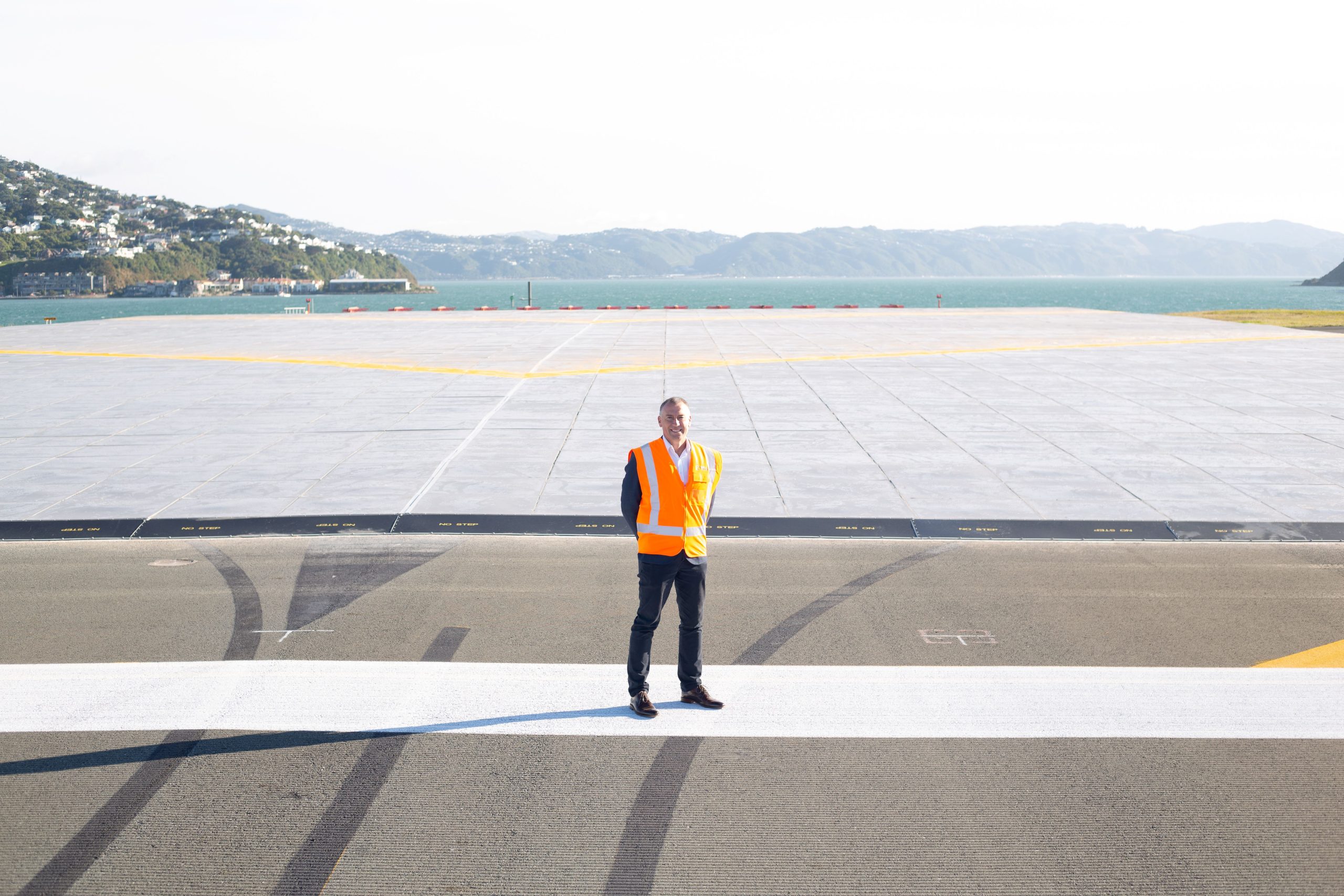
Wellington Airport has finalized a comprehensive safety enhancement by installing a new Engineered Materials Arresting System (EMAS) at both ends of its runway. This system, consisting of energy-absorbing blocks, is designed to provide additional safety in the rare event of an aircraft overrun, while also extending the operational length of the runway by 143 metres for landing and 37 metres for take-off.
The project, led by Wellington Airport's chief executive Matt Clarke, involved meticulous planning and coordination. The installation required realigning underground lighting, navigation aids, and runway markings, with work scheduled predominantly during early morning hours to minimize disruptions. Approximately 80 personnel were involved in the night-time changeover, which required precise timing and coordination to ensure a seamless transition to the new runway settings.
Enhanced capacity and future prospects
The upgraded runway enables Wellington Airport to accommodate next-generation widebody aircraft from major hubs in Asia and North America without stopovers. This development positions the airport to potentially handle long-haul flights, though no new routes have been announced yet. The project was completed ahead of schedule and within the NZ$35 million budget, marking a significant milestone for regional aviation infrastructure.
"The installation of EMAS has been a complex but essential step toward improving runway safety and capacity," said Clarke. "We look forward to welcoming longer-haul flights and boosting regional connectivity in the future."
Each EMAS bed measures approximately 55 by 90 metres and comprises over 3000 blocks manufactured in the United States. The upgrades bolster the safety and future growth potential of Wellington Airport, ensuring it remains a key asset in New Zealand's aviation network.

