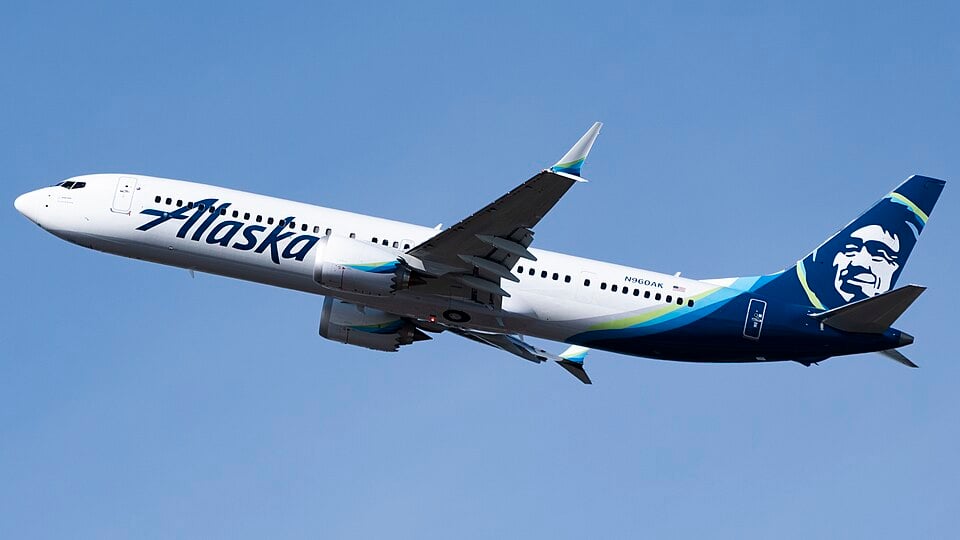
The Boeing 737 remains one of the most widely used commercial aircraft despite a troubled recent history, including crashes, investigations, and legal issues. As of 2026, airlines continue to place significant orders for the aircraft, with a backlog exceeding 4,000 units, illustrating its importance in the global aviation market. The main reasons for this persistent demand are economic considerations, market structure, and operational compatibility.
The market for narrow-body, single-aisle aircraft is effectively a duopoly mainly between Boeing and Airbus, with limited viable alternatives. This market structure, combined with high switching costs due to integrated operational ecosystems—such as pilot training, maintenance, and ground facilities—creates formidable barriers to change. Consequently, airlines find it financially advantageous to stick with the 737 family.
Efficient Performance and Safety Improvements
The Boeing 737 MAX offers notable fuel efficiency gains over its predecessors, contributing to significant cost savings amid volatile fuel prices. Following the grounding of the MAX after the Lion Air and Ethiopian Airlines crashes, rigorous redesigns and regulatory oversight have restored confidence. The aircraft now benefits from extensive flight hours with an improved safety record, although past incidents continue to influence passenger perceptions.
Overall, the combination of economic benefits, infrastructural lock-in, and regulatory stability underscores why the 737 continues to dominate the single-aisle market despite its challenges. The aircraft's enduring presence is primarily driven by the economics of modern fleet management, making it exceedingly difficult for competing models to gain a foothold.

