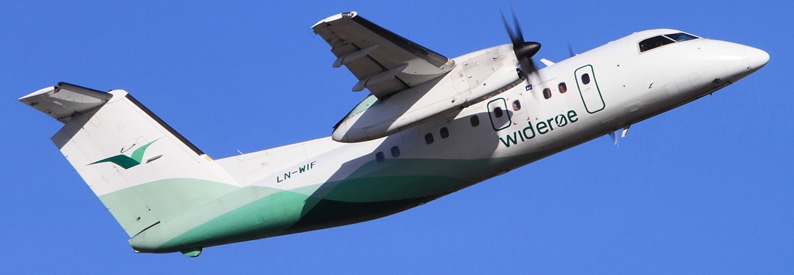
Widerøe, the Norwegian regional airline, plans to prolong the operational lifespan of its DHC-8-100 aircraft as part of its fleet management strategy. The airline aims to maintain its current fleet composition while exploring future capacity expansion and modernization options. The decision comes amid ongoing industry shifts and the need to optimize operational costs and fleet utilization.
According to recent reports, Widerøe is evaluating how best to balance fleet renewal with its current aircraft capabilities, including considering long-term maintenance and refurbishment initiatives. The airline's management emphasizes the importance of fleet sustainability and cost efficiency in maintaining its regional connectivity services across Norway and neighboring regions.
Industry analysts note that such strategies are common among regional carriers facing delays or high costs associated with acquiring newer aircraft models. Widerøe's focus on extending the life of its existing fleet aligns with regional aviation trends, especially in markets where financial prudence and operational flexibility are prioritized.
While the specifics of the fleet's long-term plan are still under consideration, the airline remains committed to providing reliable service and exploring innovative solutions to meet future demands. The move highlights a broader industry pattern of optimizing existing assets in response to economic and technological developments.

