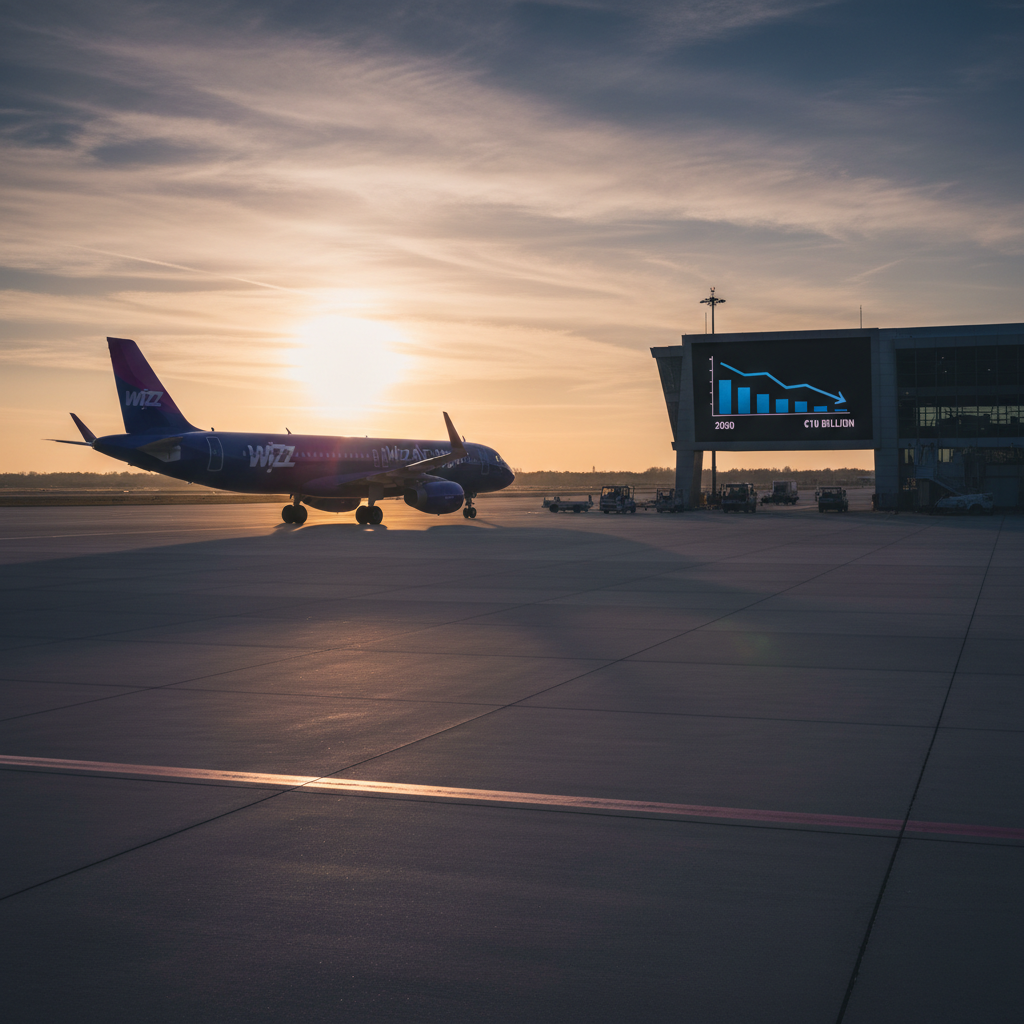
Wizz Air has announced a 5% reduction in its capacity during the second half of its financial year. The airline stated that this adjustment was made in response to ongoing geopolitical tensions and volatile fuel prices, which have impacted operational planning. Despite this, Wizz Air outlined ambitious financial goals, including reaching €10 billion (about $11.5 billion) in revenue by 2030.
Based in Budapest, Wizz Air is focused on expanding its network across Europe and the Middle East. The company's leadership emphasized that the capacity cuts are part of a strategic effort to enhance efficiency and resilience amid unpredictable market conditions. The airline also aims to rebuild its Middle East network and explore opportunities such as taking over Tarom’s domestic Romanian flights.
Fleet and Market Strategy
While the article does not specify aircraft models, Wizz Air primarily operates Airbus A320 family aircraft, including A321 variants, which support its route network. The airline continues to modernize its fleet to ensure operational efficiency and environmental sustainability.
“Wizz Air’s capacity adjustments reflect a cautious approach to market uncertainties, but our long-term growth strategy remains intact,” said Wizz Air’s executives. “We are committed to expanding our network and increasing our market share despite short-term challenges.”
Looking ahead, Wizz Air remains optimistic about future growth prospects. The airline’s strategic focus includes fleet modernization, route expansion, and exploring new markets in the Middle East. Despite the current capacity reductions, the company's long-term outlook is centered on resilient growth and operational improvements.

