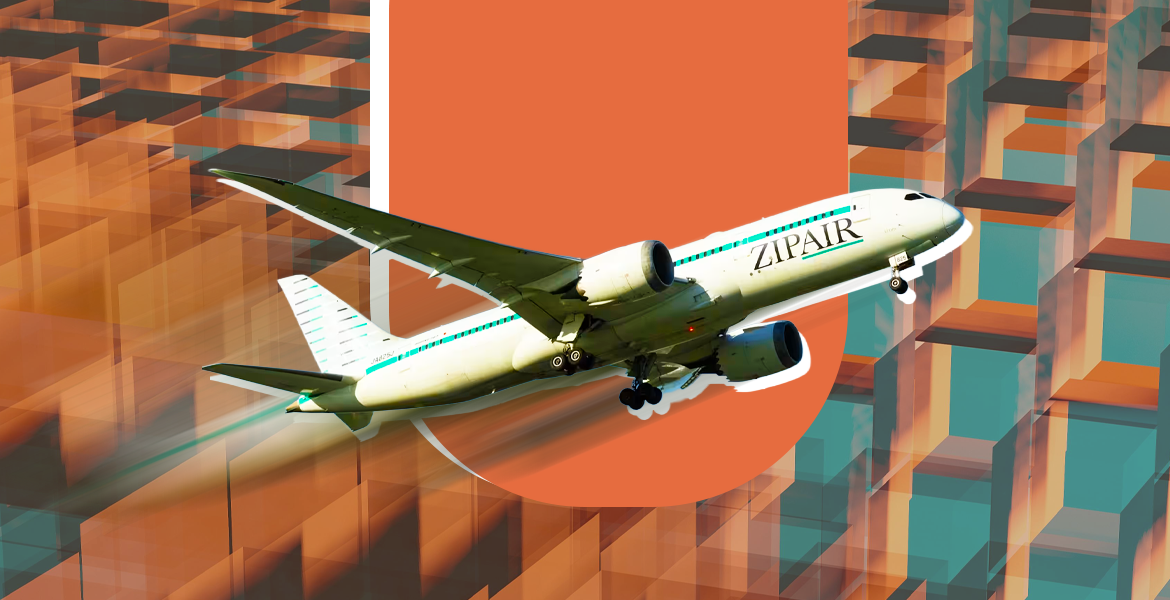
During the height of the COVID-19 pandemic in 2020, ZIPAIR, a Japanese airline based in Narita, launched its operations with a unique vision of transforming the airline industry. Its first flight carried only two passengers, symbolizing a bold gamble on a future where airlines serve as retail platforms at altitude. This innovative approach was highlighted by Vice President of Marketing Katsuya Seki at the Aviation Festival Asia in Singapore.
ZIPAIR is described as a "new basic airline," built from the ground up to leverage digital technology. The airline emphasizes three key areas: offering premium-feeling hardware such as seats nearing full-service standards, providing seamless connectivity akin to life on the ground through in-flight internet and personal devices, and implementing e-commerce behaviors like real-time ordering and digital payments during flights.
This model aims to improve in-flight experience and enable commerce throughout the passenger journey—from pre-flight online orders, real-time purchases onboard, to post-arrival delivery or pickup—creating a comprehensive retail ecosystem. ZIPAIR's strategy also hinges on data analytics, tracking daily purchase behaviors to optimize inventory and sales performance in near real-time. The airline is exploring ways to extend its retail platform beyond traditional passenger boundaries by engaging non-passengers and transforming airports into retail hubs.
With approximately 20% of revenue already derived from ancillary services, ZIPAIR views the ticket not as the main product but as an entry point into a broader sales ecosystem that includes baggage, onboard amenities, travel insurance, rentals, souvenirs, and lifestyle products. This approach aims to address the needs of Millennials and Generation Z, who prioritize experience and digital convenience, making up 27% of its customer base.
Overall, ZIPAIR's innovative retail-centric model signals a significant shift in airline business thinking, positioning itself as a digital-first hospitality and commerce platform at 30,000 feet. Its success could influence traditional carriers to rethink their revenue streams and passenger engagement strategies in this rapidly evolving industry.

