
Quick verdict
Corendon Airlines generally offers competitive pricing and caters to budget-conscious travelers with a focus on leisure destinations. The airline provides a simpler onboard experience with a smaller fleet primarily consisting of medium-haul aircraft. Brussels Airlines, on the other hand, is known for a more extensive route network that includes long-haul flights and higher comfort levels, supported by a modern and diverse fleet. Their customer service tends to focus on quality and premium offerings, making it suitable for business and frequent flyers. Overall, Corendon Airlines is better for budget and leisure travelers, while Brussels Airlines suits those seeking comfort, extensive routes, and premium services.
At a glance
Search your flight
This comparison provides an overview of the services and offerings of Corendon Airlines and Brussels Airlines. It covers aspects such as pricing, comfort, fleet, customer service, and route networks to help travelers make an informed choice.
About Corendon Airlines Read more
Overview
Corendon Airlines (legally Turistik Hava Taşımacılık A.Ş.) is a Turkish leisure airline. According to Wikipedia, it was founded in 2004, began flying in 2005 and is a subsidiary of Corendon Tourism Group. It is headquartered in Antalya. It belongs to no global alliance. Sister carriers are Corendon Dutch Airlines and Corendon Airlines Europe.
Network and hubs
The airline flies scheduled and charter services to more than 140 destinations in Europe, the Middle East and North Africa. Its hubs are Antalya and İzmir Adnan Menderes, and it also has a base at Ankara Esenboğa. Most traffic is holiday flying between Turkey and European cities. It has also kept flying to Russia, including charters from Perm to Antalya announced for May 2024.
Fleet
The fleet is all Boeing 737. The Wikipedia fleet table lists 9 Boeing 737-800 and 6 Boeing 737 MAX 8, 15 aircraft in total, while Plane Finder lists 14. Counts differ between sources and change often. In September 2026, FlightGlobal reported that the Corendon group would cut its fleet from 30 to 21 aircraft this winter because of high fuel costs. Capacity and schedules may therefore be smaller than in summer.
On board
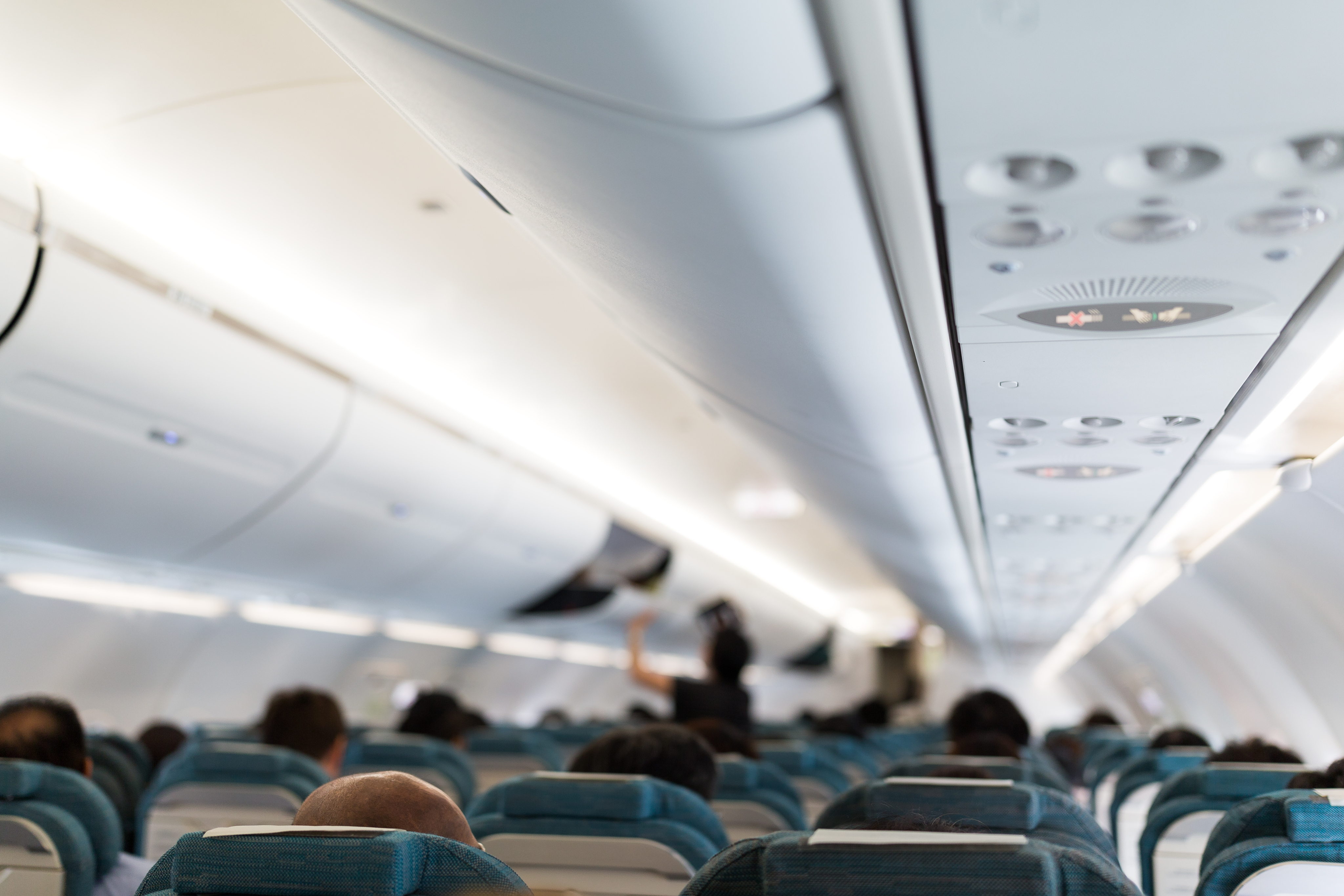
All aircraft are single-class economy. The 737-800 has 189 seats in a 3-3 layout with a pitch of about 30 inches, according to Seatlink. Kayak says there are no power sockets or Wi-Fi. Meals are generally an extra, except on the Premium fare, which includes a hot meal or snacks. Seats and meals can be pre-selected for a fee on lower fares.
Good to know
- Fares: the branded fares are Lite, Eco, Flex and Premium (All Inclusive). Premium includes a 30 kg bag, seat selection, priority boarding and flexible changes or refunds.
- Cabin baggage: the airline's baggage page allows one 10 kg bag and one 4 kg underseat bag on the Eco fare.
- Checked baggage: Flex includes 23 kg and Premium 30 kg. Extra baggage of up to 40 kg per person can be bought, and no single piece may exceed 32 kg.
- Extras: the additional services page lists seat selection, meals, priority check-in and boarding, lounge access, pets in cabin and sports equipment.
- Safety: Wikipedia lists a 2012 cockpit fire during pushback at Antalya, with injuries during the evacuation, and a 2024 bird-strike engine failure that ended in an emergency landing at Frankfurt.
About Brussels Airlines Read more
Overview
Brussels Airlines is the flag carrier of Belgium. It was formed by an amalgamation on 7 November 2006 and began operations on 25 March 2007. It is part of the Lufthansa Group, is a member of Star Alliance and is headquartered at Brussels Airport. Its IATA code SN is inherited from Sabena and SN Brussels Airlines. Its ICAO code is BEL and its call sign is BEE-LINE. The code DAT, supplied in the request, does not match the Wikipedia entry.
Network and hubs
The only hub is Brussels Airport. According to Wikipedia, the airline serves 93 destinations, mainly in Europe, Africa and North America. It has long been known for its West and Central African network, and it kept flying to Western Africa during the 2014 Ebola outbreak. It has interline agreements with other carriers, including Africa World Airlines, which connects Accra and Brussels.
Fleet
The fleet is all-Airbus. Wikipedia lists 48 aircraft, with 5 more on order (retrieved October 2026):
- 13 Airbus A319-100, 141 seats, to be replaced by the A320neo
- 16 Airbus A320-200, 180 seats
- 8 Airbus A320neo, 180 seats; 5 more on order
- 11 Airbus A330-300, 293 seats, including 30 in Business
The airline received its first A320neo in November 2023. These were the first new aircraft in its history. It planned to have eight by summer 2026.
On board
Long-haul A330-300 aircraft have a Business cabin and an Economy cabin. Short- and medium-haul aircraft have a single-class layout with 141 to 180 seats. Seat pitch, meal, entertainment and Wi-Fi details were not confirmed from sources for this profile. Check the airline's website for the fare and route being booked.
Good to know
- Loyalty programme: Miles & More, shared with the Lufthansa Group, and Star Alliance benefits apply.
- Baggage allowances and change fees depend on fare and route. See the airline's website for current rules.
- The airline has about 4,000 employees and its CEO is Lorenza Maggio, per Wikipedia.
Ranking
Related airline comparisons



Compare the airlines
Compare two airlines side-by-side to see the real difference
We use cookies to keep the site working, understand how it is used, and show relevant content and ads. Choose Accept all to allow them, or Reject all to keep only the cookies the site needs. Read more in our Privacy Policy.