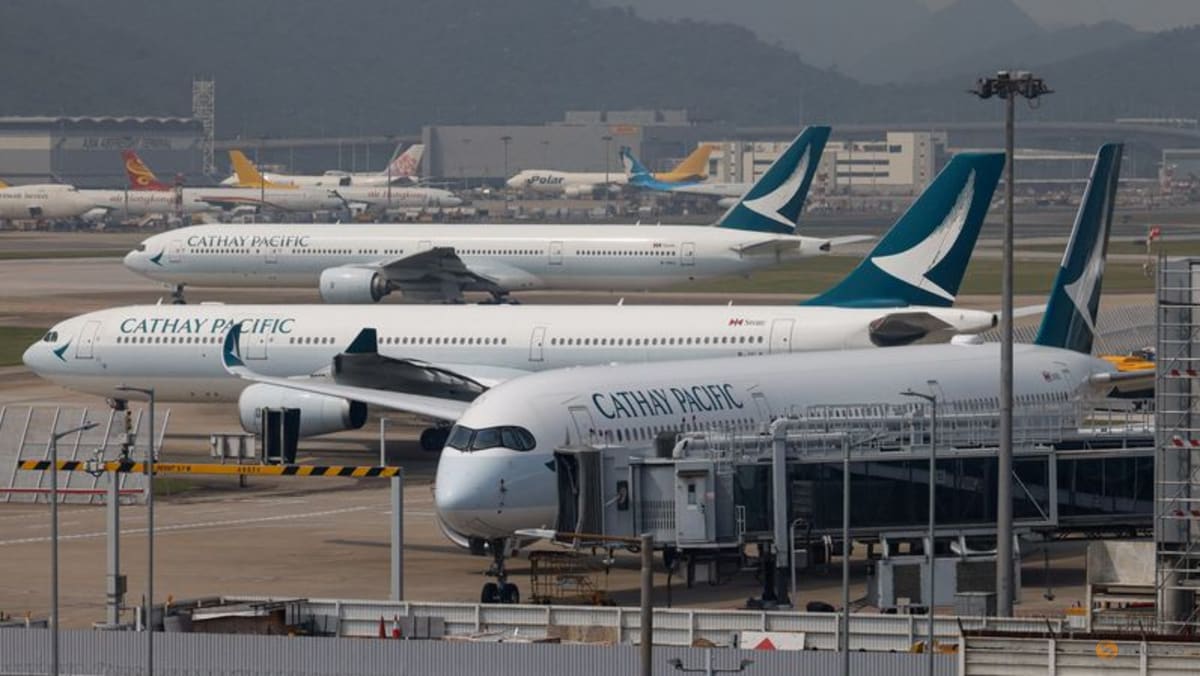
Following weekend strikes by the United States and Israel targeting Iran, Asian airline stocks experienced significant declines. Major carriers including Cathay Pacific, Singapore Airlines, and Japan Airlines announced cancellations of flights to the Middle East, citing airspace closures and rising fuel costs. The disruptions resulted in widespread travel chaos, including the closure of Dubai and Doha airports for several days, stranding thousands of passengers worldwide.
Qatar Airways and other Middle Eastern carriers also canceled flights, with some offering rebooking fee waivers to assist stranded travelers. Indian airlines, heavily reliant on Middle Eastern routes, faced additional difficulties due to restrictions on airspace use and escalating geopolitical tensions. Industry experts noted that these operational challenges could lead to further economic impacts, with increased fuel expenses and flight rerouting affecting carriers' financials.
The overall market response reflects concerns over ongoing geopolitical conflicts and their impact on global air travel. Industry analysts suggest that, while airlines have mitigated some risks through fuel hedging, the continued instability threatens to prolong the recovery period and affect future route planning.

