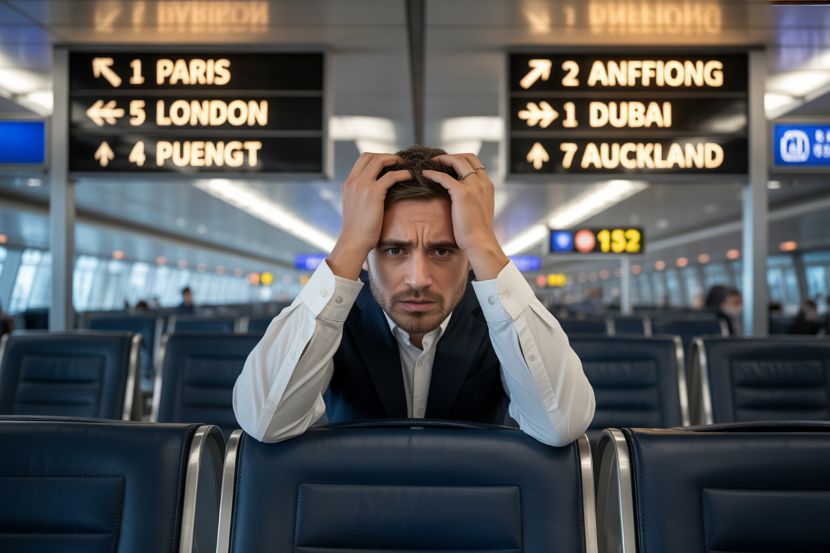
Passengers booking complex international multi-airline itineraries face significant risks of disruption, as exemplified by a recent incident involving a passenger traveling from Dublin to Auckland. A two-hour delay on an Aer Lingus flight from Dublin to Paris set off a chain of missed connections and miscommunications across several airlines, including Qatar Airways, British Airways, and Emirates. The traveler encountered difficulties with rebooking efforts, lack of airline cooperation, and terminal transfers that compounded the disruption.
Despite expressing their need for assistance, the passenger received inadequate support in Paris, resulting in an overnight stay and further rebookings. In London and Dubai, the passenger faced coordination failures between British Airways and Emirates, preventing proper check-in and boarding procedures, which further delayed the journey. These issues underscore the importance for travelers to allocate sufficient connection times and choose airlines within the same alliance to mitigate such risks.
Airlines themselves are encouraged to enhance their coordination and communication protocols for handling disruptions involving multi-carrier trips. Travelers should also consider comprehensive travel insurance and confirm bookings regularly, especially when faced with last-minute changes.
Overall, this incident highlights the vulnerabilities of non-joint venture itineraries and the need for better cooperation between carriers to ensure passenger convenience and safety in today's complex travel landscape.

