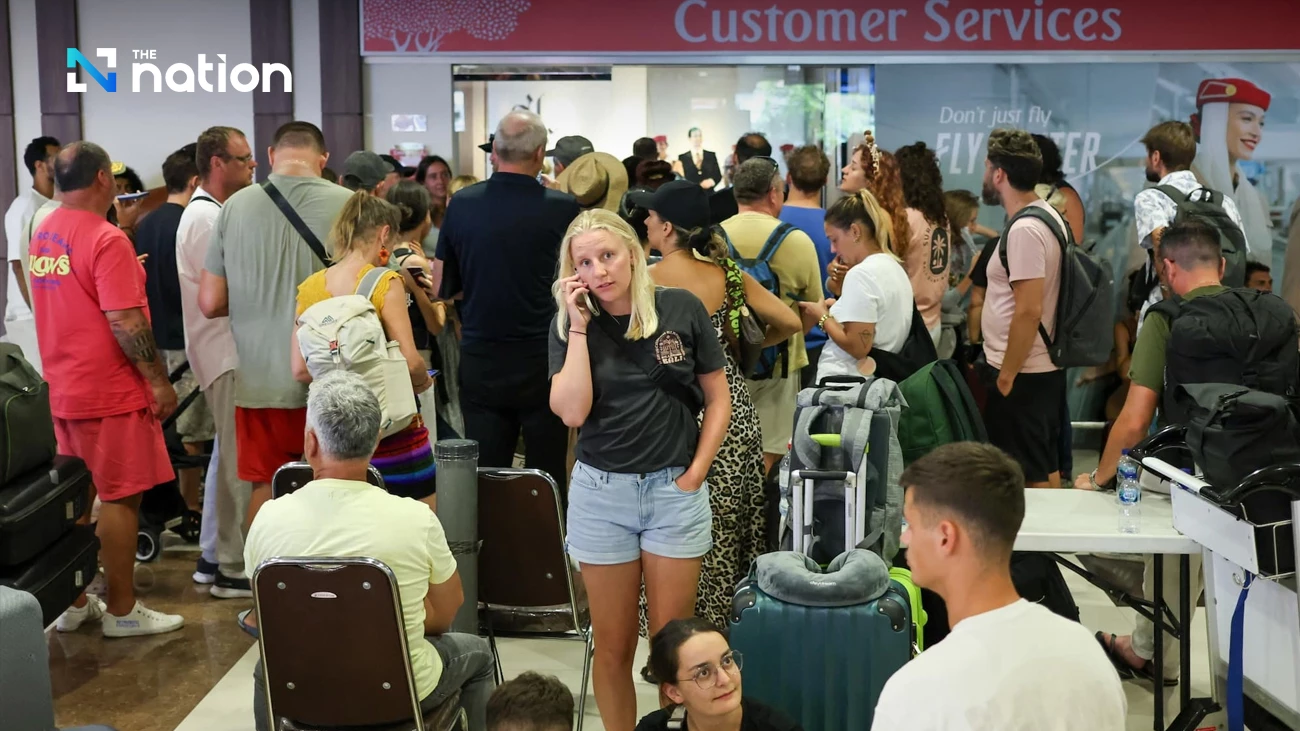
Widespread disruptions in global air travel have arisen due to the closure of Middle East airspace amid regional conflict, primarily involving Iran. Key transit hubs such as Dubai, Abu Dhabi, and Doha have been shut or heavily restricted for a second day, causing tens of thousands of travelers to become stranded and airlines to suspend operations.
The conflict, marked by US and Israeli strikes and Iran's retaliation, has led to significant operational impacts across the region. Dubai International Airport, one of the busiest international hubs, remains closed, with real-time flight tracking indicating an almost complete blank sky over Iran, Iraq, Kuwait, Israel, Bahrain, and the UAE. These closures have disrupted a crucial east-west corridor and caused ripple effects worldwide.
Several airlines responded by suspending or extending suspensions. Emirates halted flights to and from Dubai until the afternoon of March 2, while Qatar Airways' flights remain suspended due to the closure of Qatari airspace, with updates anticipated. Lufthansa extended suspensions to Middle Eastern destinations until March 8, avoiding UAE airspace. Analysts warn that the scale of these closures could leave hundreds of thousands stranded and significantly increase airline operating costs, particularly with crude oil prices rising sharply.
The ongoing regional tensions are likely to prolong the disruptions, as aircraft and crew are now dispersed globally, leading to longer detours and increased congestion. The situation underscores the vulnerability of global aviation routes reliant on Middle East airspace amid geopolitical conflicts, with further risks of additional airspace restrictions looming.

