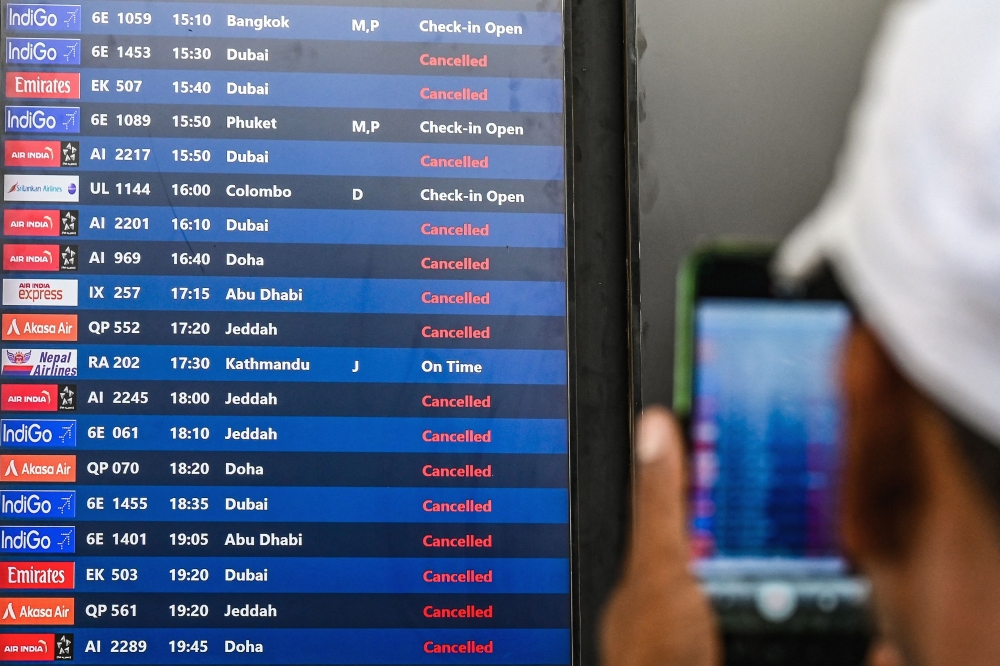
Regional tensions involving Iran have caused widespread disruptions to global air travel, with major Gulf airports such as Dubai and Kuwait temporarily shutting down after Iran launched missile attacks in retaliation for US-Israeli strikes. These attacks, targeting Dubai International Airport and other facilities, resulted in the cancellation of over 1,500 flights to the Middle East, representing more than 40% of scheduled traffic, according to aviation analytics firm Cirium.
The international aviation industry reported significant cancellations and delays worldwide, with FlightAware noting over 2,700 cancellations and more than 12,300 delays. Passengers experienced extended wait times, rerouted flights, and being stranded in various locations around the world. Some travelers reported near-miss situations, including a flight rerouted near Dubai amid missile threats, while others discussed efforts to establish alternative routes through hubs like Istanbul.
Impact on Key Travel Hubs and Regional Security
The escalating conflict also caused explosions in Dubai, damaging properties and generating smoke near luxury hotels. Several countries, including France and Thailand, are considering evacuating their citizens from the Middle East. Experts point out that such a crisis level has not been seen since the Covid pandemic, with airline losses reaching hundreds of millions of euros and significant threat to the Gulf region's reputation as a safe transit zone.
Overall, the crisis underscores the vulnerability of international air travel to geopolitical conflicts and highlights the need for contingency planning among airlines and governments. As tensions persist, the aviation industry continues to adapt to ensure passenger safety and maintain operational continuity amid ongoing hostilities.

