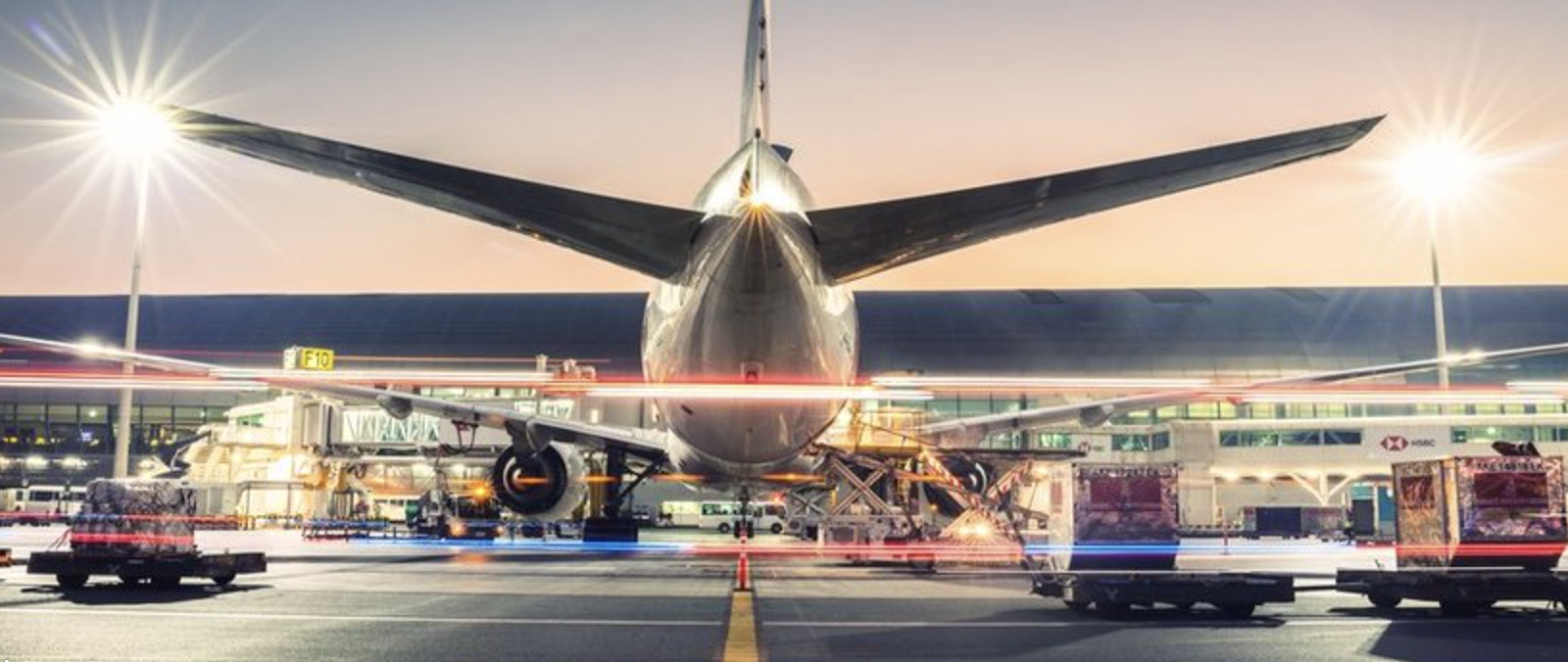
In early March 2026, escalating hostilities between Iran, Israel, and the United States led to widespread closures of airspace across the Middle East. Key airports such as Ben Gurion (TLV), Dubai International (DXB), Abu Dhabi (AUH), and Hamad (DOH) announced closures or halted operations indefinitely, profoundly impacting regional and international air travel. Several airlines, including Emirates, Etihad, and Qatar Airways, suspended all flights to and from their respective hubs, resulting in numerous cancellations and rerouted flights.
These closures have severely disrupted the typical transit routes for flights connecting Europe, Asia, and beyond. Southeast Asian carriers like Singapore Airlines, Malaysia Airlines, and Thai Airways have reported significant operational impacts, with some flights canceled or diverted to avoid the affected airspaces. Travelers have experienced delays of several hours, particularly those rerouted over Central Asia or South Asia, adding time and fuel costs to their journeys.
Impacts and Resolutions
The situation has also impacted thousands of passengers relying on Dubai, Doha, and Abu Dhabi hubs for connecting flights to Europe and North America. With these nodes temporarily closed, many travelers face stranded itineraries and soaring last-minute ticket prices. Airlines are adjusting routes and advising customers about potential delays, emphasizing the uncertain and fluid nature of the conflict’s aviation consequences.
The disruptions highlight the regional dependence on Middle Eastern carriers and hubs, stressing the need for alternative pathways and contingency planning. It remains to be seen how long the closures and restrictions will continue, but industry analysts expect the situation to influence airline scheduling and international travel security measures for the foreseeable future.

