
Quick verdict
Which is better: flynas or Air Arabia?
Nas Air and Air Arabia present varying travel experiences with their distinct features. Pricing for Nas Air ranges from SAR 200 to SAR 600, while Air Arabia's range is €50 to €150, making Air Arabia generally more budget-friendly. Nas Air has a smaller fleet of 30 compared to Air Arabia's 57, with both airlines offering limited cabin classes and a similar seat pitch of 30 inches, thereby providing comparable comfort levels. In terms of baggage allowance, Nas Air allows 20 kg checked baggage alongside a 7 kg carry-on, whereas Air Arabia only offers a 7 kg cabin free with paid checked luggage options. Although both airlines show on-time performance at approximately 80% and maintain acceptable safety records, Air Arabia offers additional paid lounge access and streaming entertainment on selected aircraft. Ultimately, budget-conscious travelers may find Air Arabia more appealing, while those prioritizing checked baggage may opt for Nas Air.
At a glance
Search your flight
Nas Air and Air Arabia are two notable low-cost carriers, each catering to their respective regions with distinct service offerings and operational structures. This comparison highlights their key strengths to help travelers make informed decisions based on their unique travel needs and preferences.
About flynas Read more
Global Network and Operations
-
Nas Air, officially known as National Air Services, operates a regional network primarily focused on domestic and short-haul international flights within the Middle East. The airline maintains a fleet of 30 aircraft including Boeing 737 models, serving around 35 destinations across Saudi Arabia and neighboring countries. Nas Air operates from its main hub at King Khalid International Airport in Riyadh and is recognized for connecting secondary cities alongside major urban centers.
Innovation and Milestones
-
Since its inception in 2007, Nas Air has achieved several notable milestones:
- Pioneered affordable low-cost travel within Saudi Arabia.
- Expanded fleet with fuel-efficient Boeing 737 Next Generation aircraft.
- Transitioned to a full low-cost carrier model to increase accessibility.
- Served as a catalyst for increased domestic air travel in Saudi Arabia.
Customer Experience and Recognition
Nas Air offers a simple cabin configuration focusing on economy seating with standard seat pitch optimized for short flights. While long-haul services are not operated, passengers benefit from efficient boarding and an emphasis on punctuality. The airline provides basic in-flight services including purchased meals and standard baggage policies. Nas Air is known for competitive pricing and value-driven service, receiving regional recognition for improving domestic connectivity.
Future Outlook
Looking forward, Nas Air aims to grow its network in alignment with Saudi Arabia’s Vision 2030, focusing on increased domestic market share and potential expansion into nearby regional markets. Strategic fleet modernization and enhanced customer services are planned to support growth initiatives and improve operational efficiency.
About Air Arabia Read more
Overview
Air Arabia is a low-cost airline based in Sharjah, United Arab Emirates. According to Wikipedia, it was established by an Amiri decree of the Sharjah ruler on 3 February 2003, began flying on 28 October 2003, and was the first low-fare airline in the Middle East. Its parent, Air Arabia PJSC, is listed on the Dubai Financial Market. The airline is not a member of a global alliance. Its callsign is ARABIA.
Network and hubs
The main base is Sharjah International Airport, with further operating bases at Ras Al Khaimah and Abu Dhabi, plus Alexandria and Casablanca. Subsidiaries include Air Arabia Abu Dhabi, Air Arabia Egypt, Air Arabia Maroc and Fly Jinnah in Pakistan. The group serves around 200 destinations in the Middle East, North Africa, the Indian subcontinent, Central Asia and Europe. A Sharjah–Aleppo service was announced for 4 July 2026.
The regional conflict that began in February 2026 caused airspace closures and reduced capacity. In its H1 2026 results, Air Arabia reported 8.7 million passengers across its hubs, down 14% year on year, and a load factor of 83%. Check current schedules before booking.
Fleet
The fleet is all Airbus A320 family. Wikipedia's fleet table (as of March 2025) lists about 103 aircraft in service across the group: A320-200s, A320neos, A321-200s, A321neos and A321LRs. It also shows outstanding orders for A320neo, A321neo and 20 A321XLR aircraft, with XLR deliveries from 2027. The infobox of the same article gives 85 aircraft for the main airline, so the figure depends on whether subsidiaries are counted.
On board
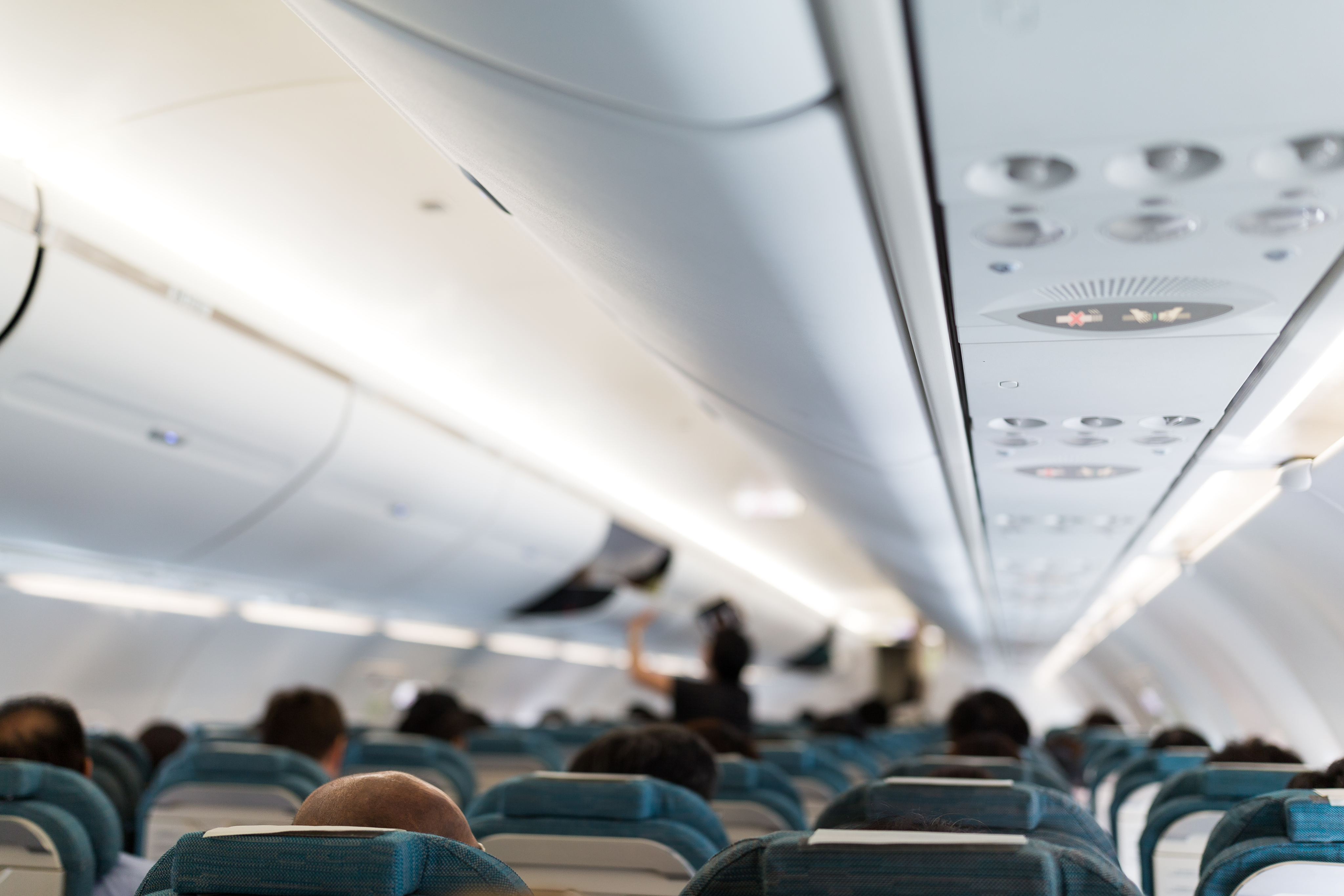
Air Arabia operates a single economy cabin. Three fare bundles (Basic, Value and Ultimate) set what is included. No seat pitch, entertainment or Wi-Fi details were confirmed from the sources checked, so none are given here.
Good to know
- Baggage: a third-party guide (Travel Closely, November 2025) gives a free 10 kg cabin bag up to 55x40x20 cm. Checked bags are chosen at booking in 20, 30 or 40 kg allowances.
- Changes and refunds: on flights from, to or via the UAE, the airline's fee page lists a Basic rebooking fee of at least AED 200. Value allows one change up to 24 hours before departure, with fare difference applying. Ultimate allows two changes up to 8 hours before. Basic fares are not refundable in cash. Fees may change.
- Loyalty: the frequent-flyer programme is AirRewards.
- Lounges and upgrades: no lounge or upgrade information was confirmed on the airline's own pages.
Related airline comparisons
Compare the airlines
Compare two airlines side-by-side to see the real difference
We use cookies to keep the site working, understand how it is used, and show relevant content and ads. Choose Accept all to allow them, or Reject all to keep only the cookies the site needs. Read more in our Privacy Policy.