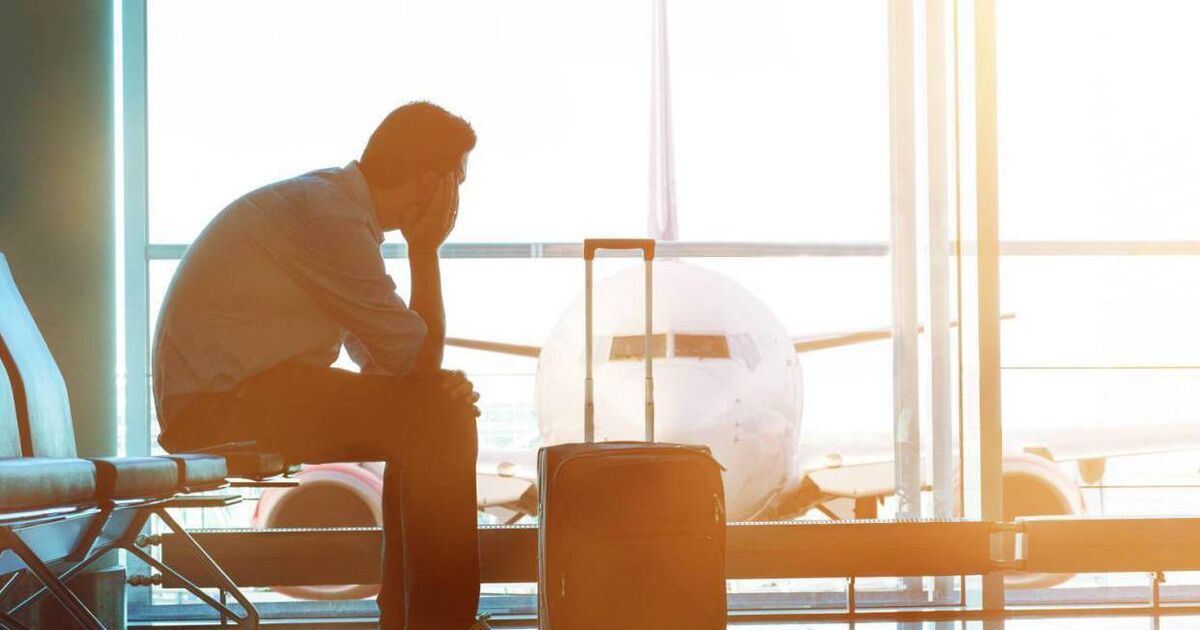
Recent reports from travelers and industry analyses indicate a notable increase in airline delays and cancellations, affecting passenger schedules globally. Personal accounts, such as those shared by travelers from Cyprus to Ireland, highlight the recurrent issues of prolonged tarmac waits, missed connecting flights, and airline rescheduling.
Experts point to several systemic causes, including air traffic congestion, staffing shortages, aircraft technical problems, and airport capacity limitations. A recent review by a UK travel magazine revealed that airline punctuality has declined since 2019, with carriers like Tui experiencing the highest rates of delays and late departures.
Operational Practices and Systemic Challenges
Airlines often hold aircraft on tarmacs to preserve on-time departure figures, which can inadvertently contribute to delays on a wider scale. Early-day disruptions tend to cascade, leading to extensive delays later in the schedule. Industry analysts suggest that decision-makers might prioritize operational metrics over passenger experience, pointing to the need for improved air traffic management and staffing solutions.
"The complexities of modern aviation require coordinated efforts in air traffic control, staffing, and infrastructure management," said an aviation industry expert.
Despite ongoing challenges, travelers continue to depend on air travel due to limited options from certain locations. Industry experts emphasize that addressing systemic issues is essential to improve punctuality and passenger satisfaction in the future.

